
TAOIST PHILOSOPHY · 道家哲学

The Great Tao Flows Everywhere (Da Tao Fan Xi): Nourishing Without Lordly Ownership and 'Never Claiming Greatness' (Bu Zi Wei Da) in Tao Te Ching Chapter 34 大道氾兮,其可左右:《道德经》第三十四章“衣养万物而不为主”与“终不自为大”

An examination of Tao Te Ching Chapter 34 ('Da Tao Fan Xi, Qi Ke Zuo You'), exploring omni-directional responsiveness, nourishing the ten thousand things without acting as their master (Bu Wei Zhu), and how refraining from self-aggrandizement completes true greatness.


A stream rushing out of a rocky ravine into a calm green lake that reflects forested hills and drifting mist.

1. Classical Text and Philological Structure of Chapter 34

Chapter 34 of the Tao Te Ching opens with one of the most vivid hydrological metaphors in classical Taoism: 'The Great Tao flows everywhere; it can go left and right' (大道氾兮,其可左右 — Da Dao fan xi, qi ke zuo you). Following Chapter 32's image of mountain streams converging into rivers and seas and Chapter 33's inward illumination, Chapter 34 describes how the undifferentiated Way operates within the phenomenal world without bias or domination.

2. 'Clothing and Nourishing All Things Without Acting as Master' (Yi Yang Wan Wu Er Bu Wei Zhu)

The middle lines of Chapter 34 state: 'The ten thousand things depend on it for life, and it does not turn them away; when its work is accomplished, it claims no possession. It clothes and nourishes all things, yet does not act as their lord' (万物恃之而生而不辞,功成而不有。衣养万物而不为主). Classical Taoist ethics distinguishes generative nourishment (yi yang 衣养) from coercive ownership (wei zhu 为主).

The Great Tao Flows Everywhere (Da Tao Fan Xi): Nourishing Without Lordly Ownership and 'Never Claiming Greatness' (Bu Zi Wei Da) in Tao Te Ching Chapter 34

An examination of Tao Te Ching Chapter 34 ('Da Tao Fan Xi, Qi Ke Zuo You'), exploring omni-directional responsiveness, nourishing the ten thousand things without acting as their master (Bu Wei Zhu), and how refraining from self-aggrandizement completes true greatness.

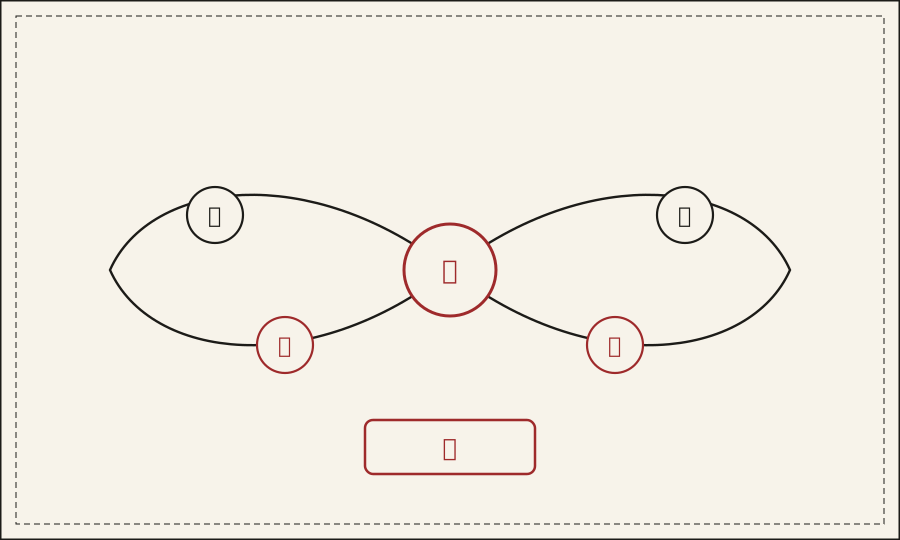
  1. ① Da Tao Fan Xi (大道氾兮): The Great Tao overflowing like an unobstructed river across a wide valley.
  2. ② Qi Ke Zuo You (其可左右): Fluid adaptability reaching both left and right without rigid fixation.
  3. ③ Wan Wu Shi Zhi Er Sheng Er Bu Ci (万物恃之而生而不辞): All living things rely upon its current for life, yet it never refuses or withholds.
  4. ④ Yi Yang Wan Wu Er Bu Wei Zhu (衣养万物而不为主): Clothing and nourishing the myriad beings without claiming lordship over them.
  5. ⑤ Ke Ming Yu Xiao / Ke Ming Yu Da (可名于小 / 可名于大): Without desire it may be named small; as all things return to it, it may be named great.
  6. ⑥ Zhong Bu Zi Wei Da, Gu Neng Cheng Qi Da (终不自为大,故能成其大): Never claiming greatness, and thereby fulfilling true greatness.

3. The Paradox of Small and Great: Ke Ming Yu Xiao and Ke Ming Yu Da

Because the Tao harbors no possessive desire (chang wu yu 常无欲), it can be named alongside the smallest, most unassuming things (ke ming yu xiao 可名于小). Simultaneously, because all beings naturally gravitate and return to it without being forced to do so (wan wu gui yan er bu wei zhu 万物归焉而不为主), it can be named great (ke ming yu da 可名于大).

4. 'Never Claiming Greatness' (Zhong Bu Zi Wei Da) in Wudang Martial Virtue

Chapter 34 concludes with the renowned maxim: 'Therefore the sage to the very end never claims to be great, and for that reason is able to accomplish greatness' (是以圣人终不自为大,故能成其大). By relinquishing self-display, the practitioner remains as open and adaptable as an overflowing river.

Seeker’s Q&A · Frequently Asked Questions

What is the core takeaway of The Great Tao Flows Everywhere (Da Tao Fan Xi)?

An examination of Tao Te Ching Chapter 34 ('Da Tao Fan Xi, Qi Ke Zuo You'), exploring omni-directional responsiveness, nourishing the ten thousand things without acting as their master (Bu Wei Zhu), and how refraining from self-aggrandizement completes true greatness.