TAOIST PHILOSOPHY · 道家哲学

Sparing Vitality and Deepening the Root (Se & Shen Gen Gu Di): Early Recovery (Zao Fu) and the Way of Long-Enduring Vision in Tao Te Ching Chapter 59 深根固柢,长生久视:《道德经》第五十九章「治人事天莫若啬、早服与重积德」发微

A practitioner-scholar study of Tao Te Ching (Dao De Jing) Chapter 59 and Han Feizi's Jie Lao—examining why governing human affairs and serving Heaven begin with sparing vitality (Se), how early return (Zao Fu) accumulates thick Virtue (Chong Ji De), and what Deep Roots and Firm Foundations (Shen Gen Gu Di) mean in Wudang cultivation.


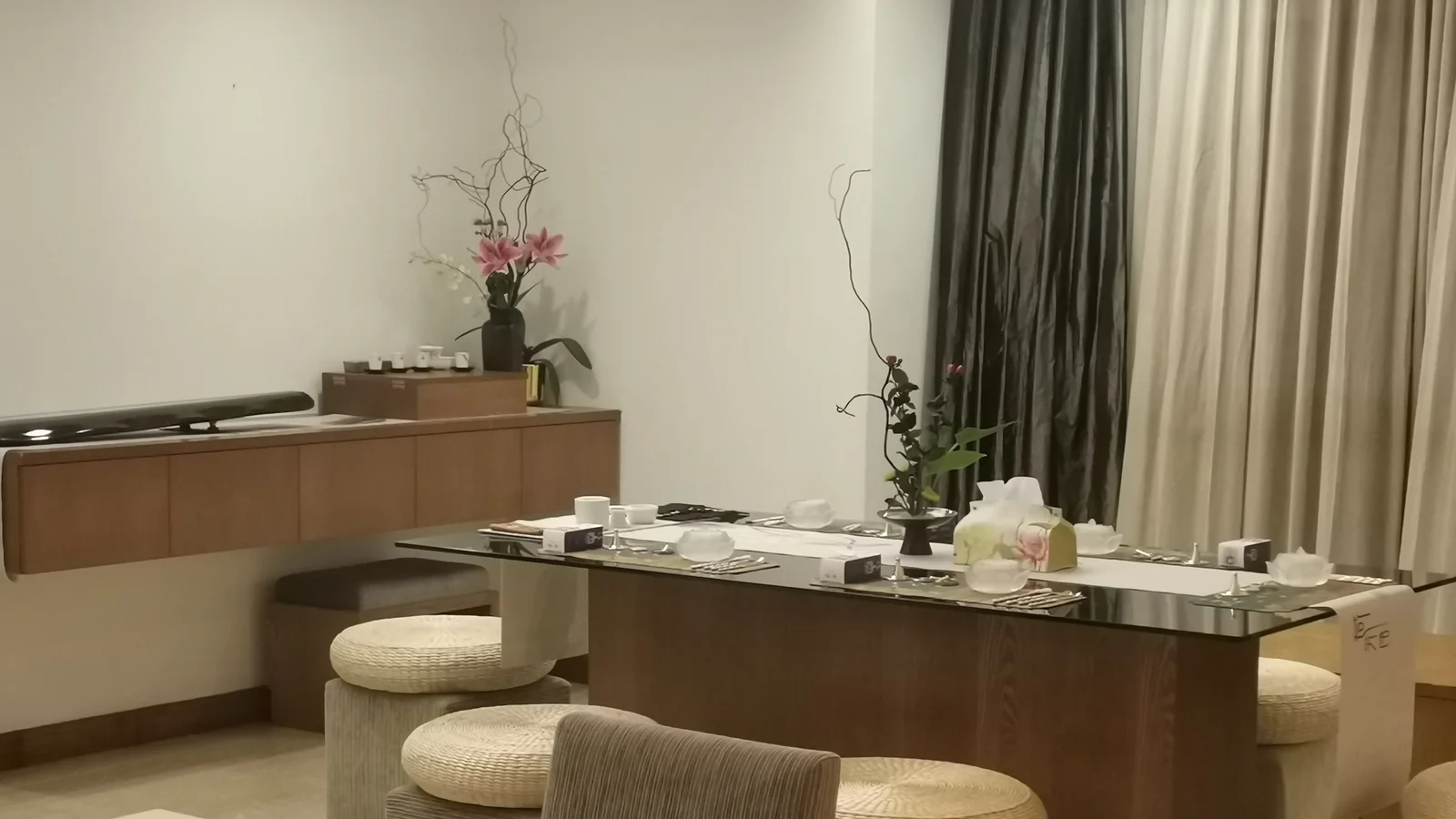
A quiet Taoist study room: a black guqin on a low wooden console beside a pink lily arrangement and tea set, and a dark-glass study table set with white lotus-shaped cups, an incense holder and a floral branch, with straw cushions and a grey curtain.

“Nothing Equals Sparing” (Mo Ruo Se): The Farmer’s Wisdom Applied to Spirit and Breath

Chapter 59 of the Tao Te Ching (Dao De Jing) opens with a concise maxim for both public responsibility and personal cultivation: 'In governing human affairs and serving Heaven, nothing equals sparing (se)' (治人事天,莫若啬). Etymologically, the character se (啬) depicts grain gathered into a granary—the prudence of a farmer who harvests carefully and never squanders seed corn. In common speech se later came to mean stinginess with money, but in early Taoist thought its meaning is inward and vital. As the Han Feizi commentary (Jie Lao 韩非子·解老) explains, 'Whereas the crowd expends its spirit blindly, the person of the Tao treasures vital spirit (精神) and husbands awareness' (众人用神躁,有道者静……爱其精神,啬其知识也). In Wudang practice, se means refusing to leak energy through frantic hurry, over-straining in training, or reactive emotional flares.

Early Return (Zao Fu) and Thickly Layered Virtue (Chong Ji De)

Why is sparing vitality so decisive? Laozi continues: 'Only by sparing can one return early (zao fu); returning early is called thickly accumulating Virtue (chong ji de); when Virtue is thickly accumulated, nothing cannot be overcome; when nothing cannot be overcome, no one knows its limit' (夫唯啬,是谓早服;早服谓之重积德;重积德则无不克;无不克则莫知其极). Wang Bi (老子道德经注) glosses zao fu (早服) as 'returning early to the root before crisis or depletion arrives.' Most people wait until burnout, injury, or illness forces them to rest; the student of the Tao notices the earliest sign of shallow breathing or mental restlessness and returns to quietness immediately. Each early return lays down another quiet stratum of inner reserve (chong ji de 重积德)—just as ten minutes of unhurried daily Zhan Zhuang builds deeper structural endurance than an occasional exhausting marathon session.

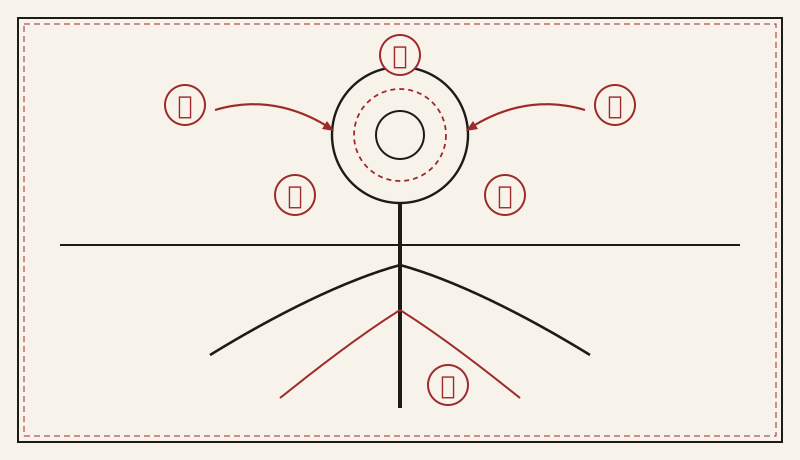
Classical Wudang ink-on-parchment diagram of Tao Te Ching Chapter 59 showing Sparing Vitality Se (①), Early Recovery Zao Fu (②), Thickly Accumulated Virtue Chong Ji De (③), Boundless Reserve Mo Zhi Qi Ji (④), Deep Taproot and Firm Base Shen Gen Gu Di (⑤), and Long-Enduring Vision Chang Sheng Jiu Shi (⑥).

Key — ① Sparing Vitality (治人事天,莫若啬, husbanding spirit and breath like a careful farmer); ② Early Return (是谓早服, recovering alignment before exhaustion sets in); ③ Thickly Accumulated Virtue (重积德, layered inner reserve); ④ Unbounded Capacity (莫知其极, resilience without brittle limits); ⑤ Deep Roots and Firm Foundations (深根固柢, anchoring breath in the lower abdomen and feet); ⑥ Long-Enduring Life and Clear Vision (长生久视之道).

Deep Roots and Firm Foundations (Shen Gen Gu Di): Tree Anatomy as Cultivation Map

At the close of Chapter 59, Laozi coins one of the most famous idioms in Chinese culture: 'Possessing the Mother of the state, one can endure long; this is called Deep Roots and Firm Foundations (shen gen gu di), the Way of long life and enduring vision (chang sheng jiu shi zhi dao)' (有国之母,可以长久;是谓深根固柢,长生久视之道). In classical Chinese botany and Heshang Gong's commentary (老子章句), gen (根) refers to the spreading lateral roots that draw moisture from the soil, while di (柢) is the central taproot that anchors a mountain pine into the bedrock against high winds. In Wudang Taijiquan and Qigong, this botanical image is practiced literally: the feet, arches, and relaxed knees form the lateral roots (gen), while the heavy sinking of the breath and waist into the lower abdomen (Dantian) forms the taproot (di).

Practicing “Sparing” (Se) in Daily Training: The Seventy-Percent Rule

How do you translate se (啬) and shen gen gu di (深根固柢) into today's practice? Classical Wudang pedagogy applies the 'seventy-percent rule' across posture, breath, and effort: extend the arm to 70–80 percent so the elbow retains its spring; sink the stance only as low as the hip creases (Kua) stay open and the breath remains quiet; and finish your morning or evening session while you still feel refreshed rather than depleted. Safety note: Before closing your practice today, stand quietly for one minute with your hands resting over the lower abdomen, consciously releasing any urge to push for one more forceful repetition, and let the warmth of the practice settle into your root.

Seeker’s Q&A · Frequently Asked Questions

How does Sparing Vitality and Deepening the Root (Se & Shen Gen Gu Di) guide daily Wudang cultivation?

A practitioner-scholar study of Tao Te Ching (Dao De Jing) Chapter 59 and Han Feizi's Jie Lao—examining why governing human affairs and serving Heaven begin with sparing vitality (Se), how early return (Zao Fu) accumulates thick Virtue (Chong Ji De), and what Deep Roots and Firm Foundations (Shen Gen Gu Di) mean in Wudang cultivation.
