TAOIST PHILOSOPHY · 道家哲学

Softening the Glare and Mingling with the Dust (He Qi Guang, Tong Qi Chen): Mysterious Sameness (Xuantong) and Unshakeable Equanimity in Tao Te Ching Chapter 56 和其光,同其尘:《道德经》第五十六章「知者不言、玄同与六不可得」发微

A practitioner-scholar study of Tao Te Ching (Dao De Jing) Chapter 56 and Zhuangzi's Zhibeiyou—examining why one who knows does not boast (Zhi Zhe Bu Yan), how blunting sharpness and softening the glare lead to Mysterious Sameness (Xuantong), and why true equanimity cannot be swayed by favor, harm, or status.


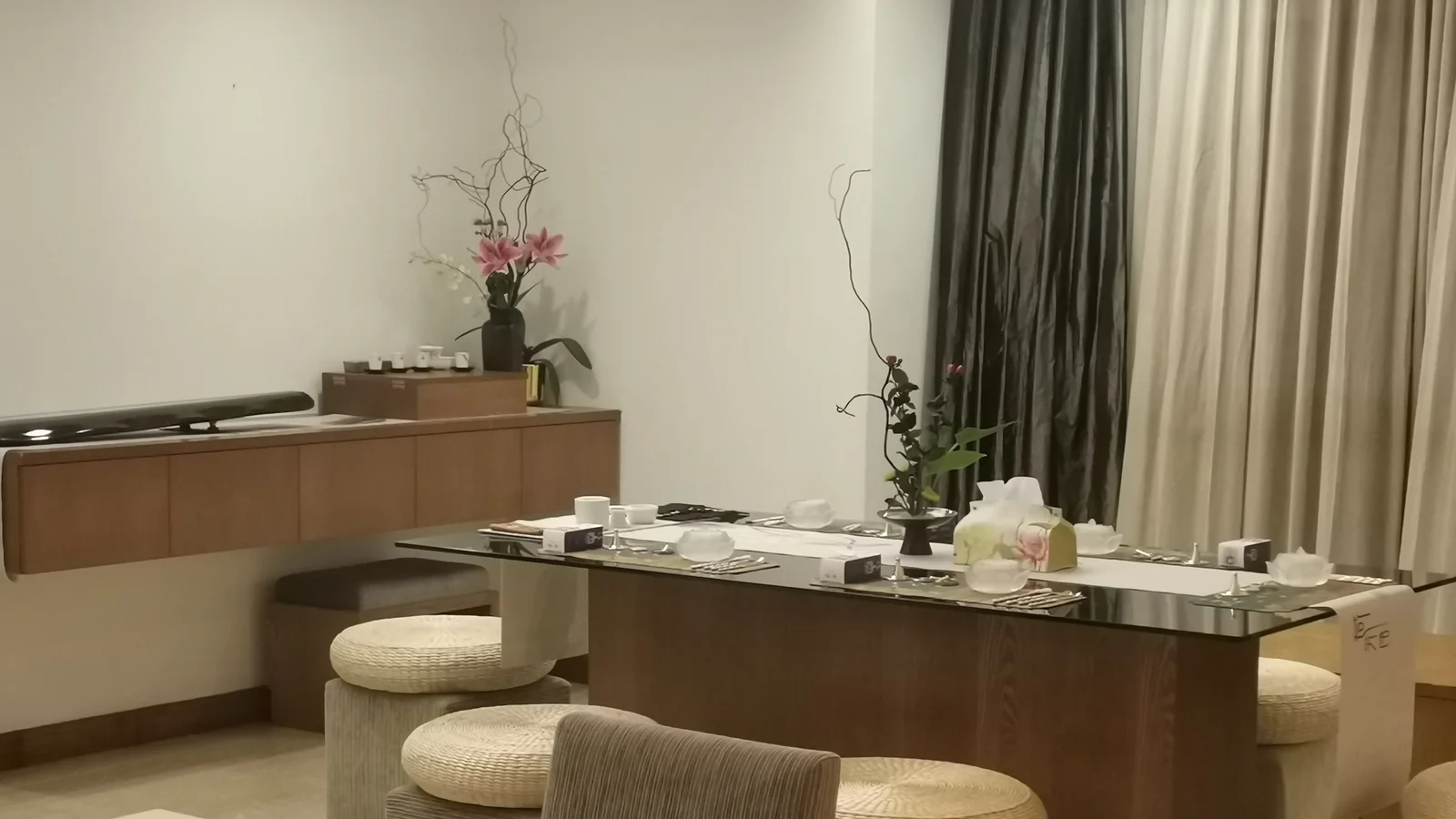
A quiet Taoist study room: a black guqin on a low wooden console beside a pink lily arrangement and tea set, and a dark-glass study table set with white lotus-shaped cups, an incense holder and a floral branch, with straw cushions and a grey curtain.

“One Who Knows Does Not Speak” (Zhi Zhe Bu Yan): Embodied Realization vs. Verbal Display

Chapter 56 of the Tao Te Ching (Dao De Jing) opens with eight characters quoted across centuries of Chinese philosophy and internal martial arts: 'One who knows does not speak; one who speaks does not know' (知者不言,言者不知). In Zhuangzi Chapter 22 (Zhibeiyou 庄子·知北游), this exact couplet explains why the sage practices 'teaching without words' (bu yan zhi jiao 不言之教). Clearly, Laozi himself wrote five thousand words and Wudang teachers give verbal corrections every day—so what does 'not speaking' mean? In Wang Bi's commentary (老子道德经注), yan (言) here denotes disputatious boasting and conceptual chatter that mistakes labels for lived reality. A student who has genuinely felt the sinking of the breath to the lower abdomen or the quiet pivot of the waist in Tuishou (Push Hands) no longer feels any urge to argue or show off; the realization is carried silently in the posture itself.

Four Steps of Inner Untangling: Blunting Sharpness, Untying Knots, Softening Glare, Mingling with Dust

Following the reminder from Chapter 52 to guard the sense gates ('Block the passages, close the gates' 塞其兑,闭其门), Chapter 56 repeats the fourfold cultivation formula first introduced in Chapter 4: 'Blunt the sharpness, untie the tangles, soften the glare, mingle with the dust—this is called Mysterious Sameness (Xuantong)' (挫其锐,解其纷,和其光,同其尘,是谓玄同). In Chapter 4, these four phrases described the unfathomable nature of the Tao itself; in Chapter 56, they become the practitioner's own character. 'Blunting sharpness' (cuo qi rui 挫其锐) means filing down the urge to prove superiority in conversation or sparring. 'Untying tangles' (jie qi fen 解其纷) means letting mental knots loosen through patient breath rather than yanking at them. 'Softening the glare' (he qi guang 和其光) and 'mingling with the dust' (tong qi chen 同其尘) mean carrying deep cultivation modestly within ordinary work, family life, and sweeping the courtyard—without putting on the airs of an aloof master.

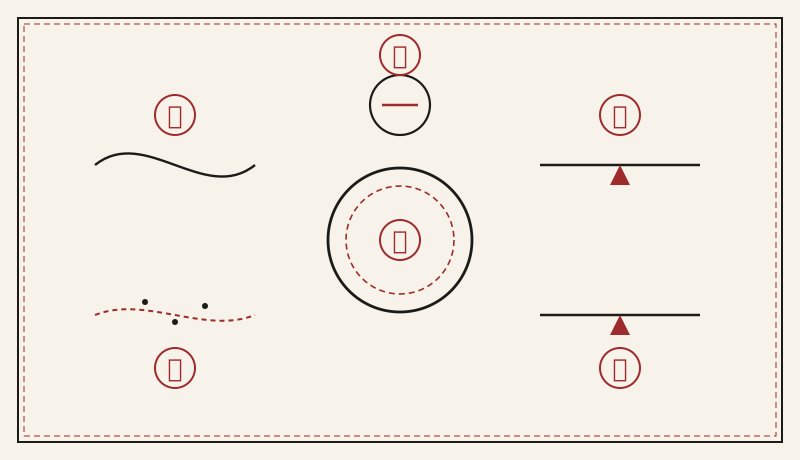
Classical Wudang ink-on-parchment diagram of Tao Te Ching Chapter 56 showing Silent Knowing (①), Blunting Sharpness and Untying Knots (②), Softening the Glare and Mingling with Dust (③), Mysterious Sameness Center Xuantong (④), Equanimity Beyond Closeness or Distance (⑤), and Equanimity Beyond Profit, Harm, Honor, or Lowliness (⑥).

Key — ① Silent Knowing (知者不言,言者不知, embodied understanding prior to argument); ② Blunting Sharpness and Untying Knots (挫其锐,解其纷, releasing aggressive edges and mental tangles); ③ Softening the Glare and Mingling with the Dust (和其光,同其尘, unpretentious presence in ordinary life); ④ Mysterious Sameness (是谓玄同, undivided unity with the whole); ⑤ Beyond Favor and Estrangement (不可得而亲,不可得而疏); ⑥ Beyond Profit, Harm, Honor, and Lowliness (不可得而利害贵贱,故为天下贵).

What Is Mysterious Sameness (Xuantong)? Unity Without Erasing Distinctions

Laozi names the fruit of this fourfold practice Xuantong (玄同)—'Mysterious Sameness' or 'Profound Union.' Unlike forced conformity that demands everyone look or think alike, Xuantong is the quiet perception of the shared root beneath all things. In Heshang Gong's commentary (老子章句), the person who embodies Xuantong shines inwardly without dazzling others (和其光,不炫耀也) and walks amid the world's dust without being stained by competitiveness (同其尘,不自异也). In a Wudang training hall, you can recognize Xuantong in the senior practitioner who practices basic stances alongside beginners with complete humility, attentive to every detail yet free of self-importance.

Sixfold Equanimity: Why the Unmanipulable Center Is Precious to the World

The closing lines of Chapter 56 describe the inner freedom that flows from Xuantong: 'Therefore, such a person cannot be drawn into partisan intimacy, nor pushed into estrangement; cannot be lured by profit, nor intimidated by harm; cannot be inflated by honor, nor diminished by low station—and therefore is held precious by the whole world' (故不可得而亲,不可得而疏;不可得而利,不可得而害;不可得而贵,不可得而贱。故为天下贵). When a person's sense of worth depends on praise, status, or advantage, they can be pulled off center at any moment—just as a martial artist who leans toward an opponent's feint loses root immediately. Safety note: In your quiet sitting or standing practice today, notice any lingering knot of irritation or pride from the day's conversations; exhale gently, let the shoulders drop, and practice 'untying the tangle' (jie qi fen) by letting the thought pass without rehearsing it.

Seeker’s Q&A · Frequently Asked Questions

How does Softening the Glare and Mingling with the Dust (He Qi Guang, Tong Qi Chen) guide daily Wudang cultivation?

A practitioner-scholar study of Tao Te Ching (Dao De Jing) Chapter 56 and Zhuangzi's Zhibeiyou—examining why one who knows does not boast (Zhi Zhe Bu Yan), how blunting sharpness and softening the glare lead to Mysterious Sameness (Xuantong), and why true equanimity cannot be swayed by favor, harm, or status.
