TAOIST PHILOSOPHY · 道家哲学

Governing with Uprightness & The Four Self-Transformations: Yi Zheng Zhi Guo and Wo Wu Wei Er Min Zi Hua in Tao Te Ching Chapter 57 以正治国以奇用兵与我无为而民自化:《道德经》第五十七章的正奇相生与内丹四自化之理

An in-depth study of Tao Te Ching (Dao De Jing) Chapter 57, examining the triad of Zheng (uprightness), Qi (unorthodox variation), and Wushi (non-interference), why excessive prohibitions impoverish vitality, and the sage's fourfold formula of self-transformation.


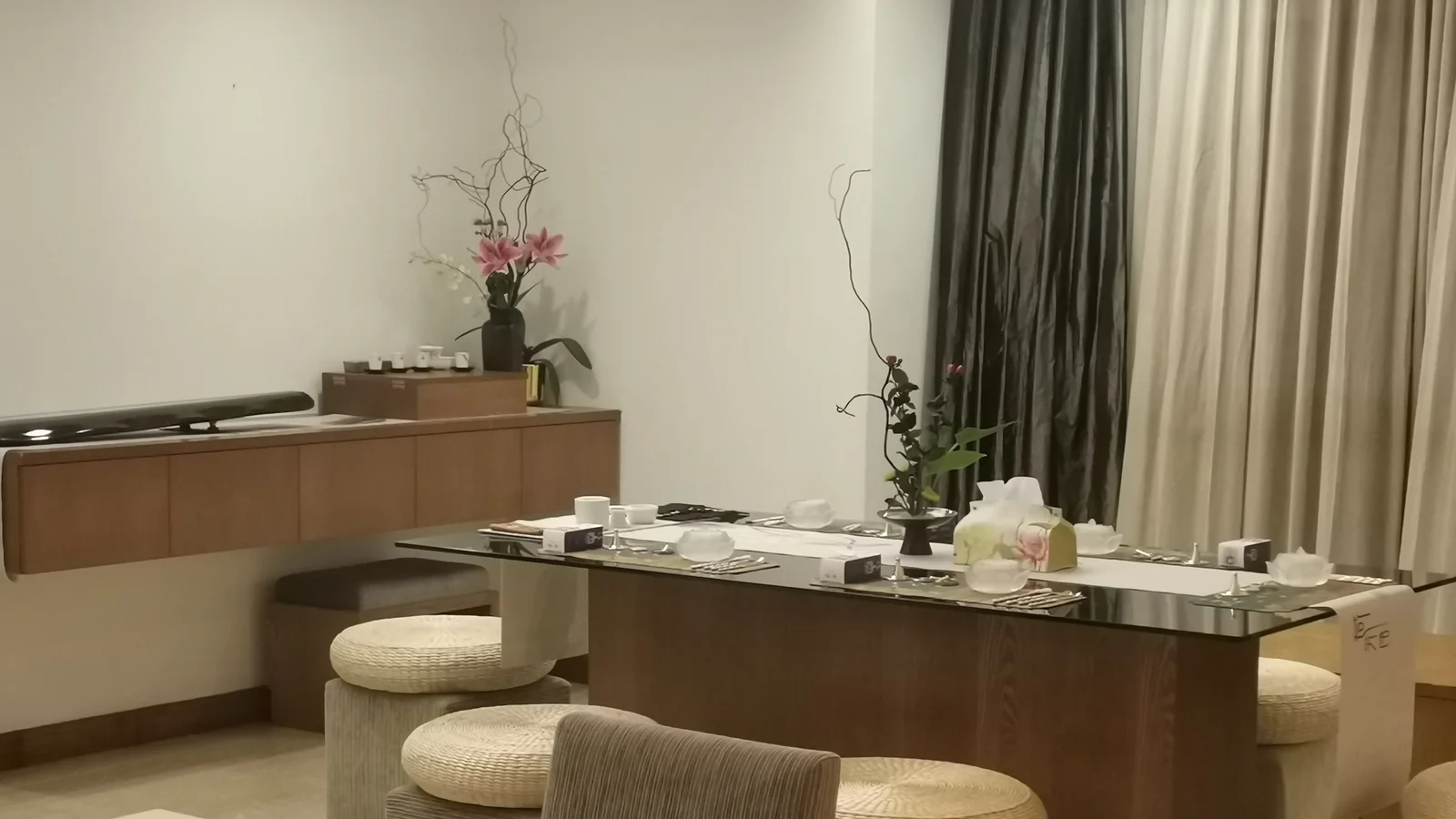
A quiet Taoist study room: a black guqin on a low wooden console beside a pink lily arrangement and tea set, and a dark-glass study table set with white lotus-shaped cups, an incense holder and a floral branch, with straw cushions and a grey curtain.

Yi Zheng Zhi Guo, Yi Qi Yong Bing, Yi Wu Shi Qu Tian Xia: The Triad of Center, Adaptation, and Wholeness

Following directly after Chapter 56's 'Mysterious Sameness' (Softening the Glare and Mysterious Sameness in Chapter 56), Chapter 57 of the Tao Te Ching (Dao De Jing) opens with a celebrated three-tiered statement: 'Govern the state with uprightness; employ the military with unorthodox variation; win the world through non-meddling' (以正治国,以奇用兵,以无事取天下). As Wang Bi (王弼) and Heshanggong (河上公) explain in their commentaries (studied under Taoist Classics), these three lines describe a hierarchy of scope. Zheng (正, uprightness and regular order) sustains daily stability at the core; Qi (奇, unexpected diagonal adaptation) responds to shifting tactical contingencies when conflict arises; yet neither rigid regularity nor tactical cleverness suffices to embrace the whole world (Tianxia, 天下)—only Wushi (无事, non-intrusive alignment with The Tao itself) allows all things to flourish together.

Why Excessive Prohibitions and Clever Implements Multiply Disorder

Laozi next substantiates this principle through empirical observation: 'How do I know this is so? By this: the more taboos and prohibitions there are in the world, the poorer the people become; the more sharp implements the people possess, the more muddled the state and clan become; the more cunning skill and artifice people cultivate, the more strange contrivances arise; the more laws and edicts are promulgated, the more thieves and bandits multiply' (天下多忌讳,而民弥贫;人多利器,国家滋昏;人多伎巧,奇物滋起;法令滋彰,盗贼多有). Applied to the inner landscape of self-cultivation (Wudang Qigong & Daoyin and Start Here), when a practitioner burdens the body with rigid micromanagement, forceful breathing tricks, and anxious self-monitoring, natural vitality (Min, 民—the hundred bodily spirits and viscera) grows depleted and restless.

Governing with Uprightness & The Four Self-Transformations: Yi Zheng Zhi Guo and Wo Wu Wei Er Min Zi Hua in Tao Te Ching Chapter 57

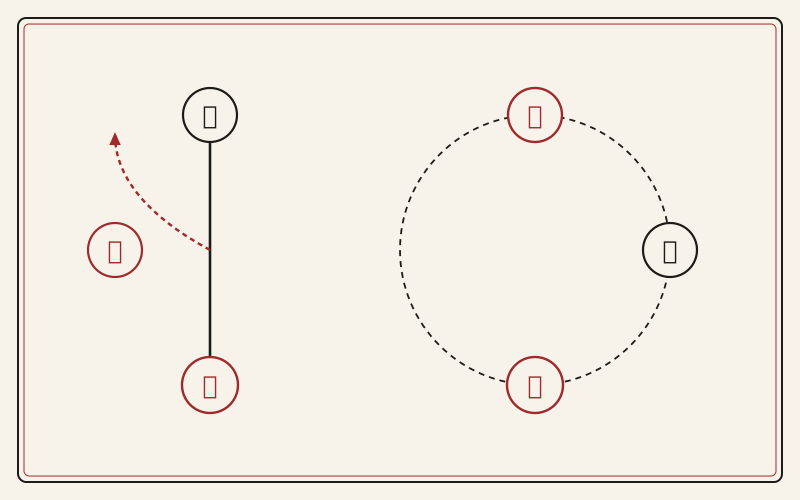
Classical diagram of Tao Te Ching Chapter 57 (Uprightness, Unorthodox Variation, and the Four Self-Transformations): ① Governing the Center with Uprightness (Yi Zheng Zhi Guo — rooted vertical equilibrium), ② Employing Unorthodox Variation in Engagement (Yi Qi Yong Bing — responsive diagonal adaptation), ③ Embracing the Whole Through Non-Interference (Yi Wu Shi Qu Tian Xia), ④ I Practice Wuwei and the People Transform of Themselves / I Love Stillness and They Right Themselves (Wo Wu Wei Er Min Zi Hua, Wo Hao Jing Er Min Zi Zheng), ⑤ I Engage in No Meddling Affairs and They Prosper of Themselves (Wo Wu Shi Er Min Zi Fu), and ⑥ I Hold No Acquisitive Desires and They Return to Uncarved Simplicity of Themselves (Wo Wu Yu Er Min Zi Pu).

Zheng (正) and Qi (奇) in Wudang Taijiquan: Cardinal Axis and Diagonal Split

In the martial transmission of Wudang Mountain and Wudang Taijiquan, the opening couplet Yi Zheng Zhi Guo, Yi Qi Yong Bing (以正治国,以奇用兵) is a direct key to the Thirteen Postures. Governing the body-state with Zheng (正) means maintaining Central Equilibrium (Zhongding, 中定) and the four cardinal energies (Peng, Lu, Ji, An); employing Qi (奇) means adapting smoothly along the four diagonal corners when an opponent presses the center, as practiced in Part the Wild Horse's Mane (Yema Fenzong) and Diagonal Flying (Xiefeishi). In internal boxing, Zheng and Qi constantly transform into one another while resting on the quiet foundation of Wushi.

The Four Self-Transformations: Zi Hua, Zi Zheng, Zi Fu, and Zi Pu

Chapter 57 concludes with one of the most serene declarations in all of Taoist literature: 'Therefore the sage says: I practice non-action (Wuwei), and the people transform of themselves; I love stillness (Hao Jing), and the people right themselves; I engage in no meddling affairs (Wushi), and the people prosper of themselves; I hold no acquisitive desires (Wuyu), and the people return to uncarved simplicity of themselves' (故圣人云:我无为,而民自化;我好静,而民自正;我无事,而民自富;我无欲,而民自朴). Echoing Chapter 59's conservation of root (Frugality and Deep Roots in Chapter 59) and Chapter 65's uncontrived simplicity (Mysterious Virtue in Chapter 65), when the heart-mind (the inner ruler) abides in Wuwei and stillness, the breath, sinews, and spirit naturally right and replenish themselves.

Seeker’s Q&A · Frequently Asked Questions

How does Governing with Uprightness & The Four Self-Transformations guide daily Wudang cultivation?

An in-depth study of Tao Te Ching (Dao De Jing) Chapter 57, examining the triad of Zheng (uprightness), Qi (unorthodox variation), and Wushi (non-interference), why excessive prohibitions impoverish vitality, and the sage's fourfold formula of self-transformation.
