TAOIST PHILOSOPHY · 道家哲学

Do Not Cramp Their Dwelling, Know Yourself Without Self-Display (无狎其所居,自知不自见): Spaciousness and Quiet Self-Respect in Tao Te Ching Chapter 72 无狎其所居,自知不自见,自爱不自贵:《道德经》第七十二章的心宅宽裕与武当内敛修真哲学

How Heshang Gong’s reading of the spacious Heart-House (Suo Ju) and unexhausted vital root (Suo Sheng) guides Wudang meditation, posture, and non-boastful self-cultivation.

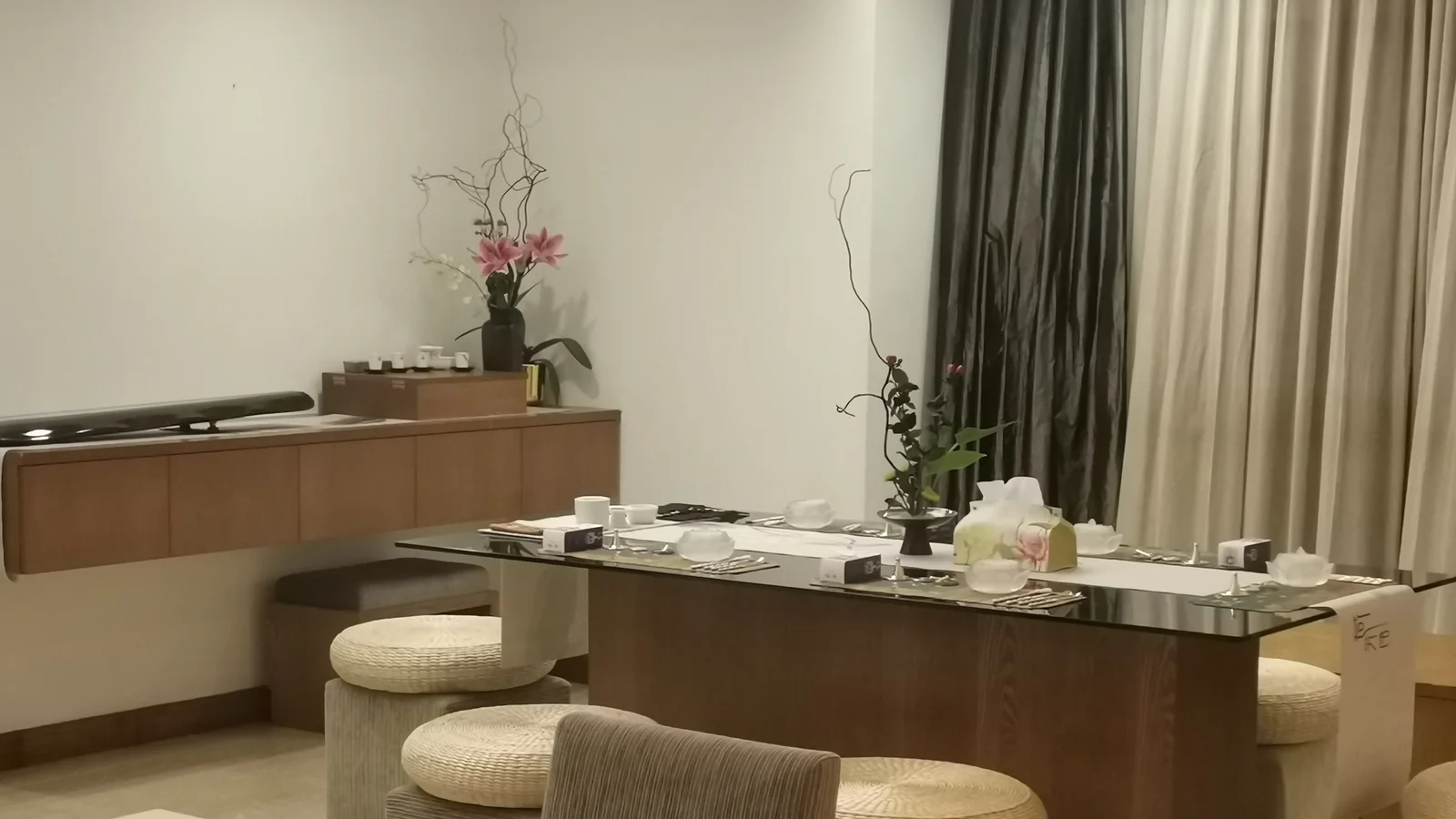
A quiet Taoist study room: a black guqin on a low wooden console beside a pink lily arrangement and tea set, and a dark-glass study table set with white lotus-shaped cups, an incense holder and a floral branch, with straw cushions and a grey curtain.

Chapter 72 of the Tao Te Ching (Dao De Jing) links outer social harmony with the inner architecture of the human body-mind: "Do not cramp their dwelling; do not oppress their livelihood" (Wu Xia Qi Suo Ju, Wu Yan Qi Suo Sheng). While Wang Bi reads this as a warning against intrusive governance that suffocates the people, Heshang Gong reveals its parallel inner meaning: our "dwelling" (Suo Ju) is the Heart-House where Spirit (Shen) resides, and our "livelihood" (Suo Sheng) is the foundational Essence and Qi that sustain life. Crowding the chest with anxiety cramps the Spirit, whereas the sage practices "Self-Knowledge without Self-Display" (Zi Zhi Bu Zi Jian) and "Self-Care without Self-Exaltation" (Zi Ai Bu Zi Gui).

1. Classical Text and the Outer-Inner Commentarial Tradition of Chapter 72

Chapter 72 of the Tao Te Ching (Dao De Jing) follows Chapter 71 (Knowing When One Does Not Know Is Highest — Zhi Bu Zhi, Shang) and precedes Chapter 73 (Courage in Daring vs. Courage in Not Daring — Yong Yu Bu Gan). Where Chapter 71 cures the epistemic arrogance of pretending to know, Chapter 72 cures the spatial and energetic arrogance of crowding, coercing, and showing off:

民不畏威,则大威至。 无狎其所居,无厌其所生。 夫唯不厌,是以不厌。 是以圣人自知不自见,自爱不自贵。 故去彼取此。

"When the people no longer stand in reverent awe of what is weighty, then a great calamity arrives. Do not cramp (xia 狎 / 狭) their dwelling (suo ju 所居); do not oppress or exhaust (yan 厌 / 压) their source of life (suo sheng 所生). Only because one does not oppress them, they do not grow weary and cast it off. Therefore the sage knows himself yet does not display himself (zi zhi bu zi jian 自知不自见); cherishes himself yet does not exalt himself (zi ai bu zi gui 自爱不自贵). Thus he lets go of that and chooses this."

Classical philology and Taoist commentary preserve two interwoven dimensions of these lines:

  1. The Philological Variants Xia (狎 / 狭) and Yan (厌 / 压): In the Mawangdui silk manuscripts (Boshu Laozi 帛书老子) and early citations, xia (狎, "to treat with intrusive familiarity / crowd") corresponds to xia (狭, "to narrow, constrict, or make cramped"), and yan (厌, "to satiate to disgust / loathe") also carries the sense of ya (压, "to press down upon, burden, or squeeze dry"). Wang Bi (王弼, 226–249 CE) explains that when rulers constantly intrude upon people's homes and squeeze their livelihood, people lose all natural reverence and are driven to desperation.
  2. Heshang Gong's Inner Somatic Reading — The Heart-House (Suo Ju) and Vital Root (Suo Sheng): Heshang Gong (河上公) reads the exact same lines as a manual for stewarding the human microcosm. What is a person's Suo Ju (所居, dwelling place)? In his reading, the heart is where the spirit dwells, and it should be kept wide and gentle, never hurried or narrow. When a practitioner crowds the chest with restless schemes, resentment, or forced breath retention, they "cramp the dwelling" (xia qi suo ju 狎其所居) so that the Spirit (Shen 神) cannot rest in peace—the exact opposite of the spacious "empty room where brightness is born" (Xu Shi Sheng Bai 虚室生白) taught in Zhuangzi's Xinzhai (Fasting of the Heart-Mind). And what is Suo Sheng (所生, that by which we live)? It is foundational Essence and Breath (Jing and Qi); exhausting them through overwork or theatrical striving "oppresses the source of life" (yan qi suo sheng 厌其所生).
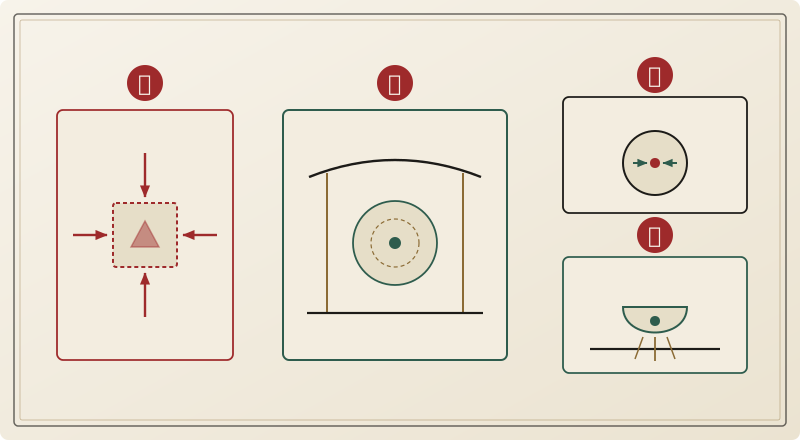
Classical Wudang diagram for Tao Te Ching Chapter 72 contrasting a cramped dwelling with a spacious Heart-House and showing Zi Zhi Bu Zi Jian and Zi Ai Bu Zi Gui
Figure 1 — Spatial and Contemplative Architecture of Chapter 72 (无狎其所居,自知不自见): ① Xia Qi Suo Ju & Yan Qi Suo Sheng (狎其所居,厌其所生): inward-crushing pressure constricting the inner chamber and agitating the core; ② Wu Xia Qi Suo Ju (无狎其所居): the open, uncrowded courtyard pavilion of the Heart-Mind where Spirit and breath circulate freely; ③ Zi Zhi Bu Zi Jian (自知不自见): inward illumination without outward glare; ④ Zi Ai Bu Zi Gui (自爱不自贵): a deeply rooted vessel resting on level earth rather than perched on a fragile pedestal.

2. Zi Zhi Bu Zi Jian, Zi Ai Bu Zi Gui: The Twin Pillars of Wudang Self-Cultivation

The second half of Chapter 72 distills the attitude of a mature practitioner into two luminous four-character maxims that directly echo Chapter 24 (He Who Displays Himself Does Not Shine — Zi Jian Zhe Bu Ming) and Chapter 33 (Knowing Yourself Is Illumination — Zi Zhi Zhe Ming):

Classical Maxim Inner Meaning (Zi Zhi / Zi Ai) What Is Released (Bu Zi Jian / Bu Zi Gui) Wudang Practice Expression
Zi Zhi Bu Zi Jian (自知不自见 — Knows Himself, Does Not Display Himself) Clear, honest proprioceptive and contemplative awareness of one's own breath, posture, and limits Showing off (Zi Jian 自见 / Zi Xian 自现), theatrical low stances, or performing for applause Practicing quiet inner observation (Neiguan) and wearing rough cloth while holding jade within (Ch. 70)
Zi Ai Bu Zi Gui (自爱不自贵 — Cherishes Himself, Does Not Exalt Himself) Valuing and conserving one's vital Jing-Qi-Shen as a precious trust (Ch. 13 / Ch. 50) Arrogance, status-seeking, or treating one's body with pampered luxury (Sheng Sheng Zhi Hou) Daily foundational maintenance—standing meditation, moderate diet, and unhurried Daoyin

3. Somatic Application in Wudang Taijiquan and Qigong: Keeping the Chest Spacious (Hanxiong 涵胸)

In Wudang Taijiquan, Zhan Zhuang, and seated meditation, "Do not cramp their dwelling" (Wu Xia Qi Suo Ju 无狎其所居) is the exact somatic instruction for the upper torso and diaphragm:

  • Hollowing the Chest Without Collapsing (Hanxiong Babei 涵胸拔背): When a student puffs out the chest in military stiffness or hunches the shoulders forward in anxiety, they literally narrow the thoracic cavity (Suo Ju 所居)—crowding the heart and lungs so the breath remains shallow and noisy. By softly releasing the sternum inward by a single millimeter (Hanxiong 涵胸) and letting the shoulder blades widen (as in Gaotanma High Pat on Horse and Chest-Soothing Daoyin), the "dwelling of the Spirit" becomes wide, cool, and unhurried.
  • Practicing for the Root, Not the Audience (Zi Zhi Bu Zi Jian): Whether training on the stone terraces of Wudang Mountain or in a quiet room at home, ask yourself: "Am I making this movement for how it looks from the outside (Zi Jian), or for how clearly I feel the weight transfer and breath inside (Zi Zhi)?" Choosing the inner reality over the outer display is Laozi's "letting go of that and choosing this" (Qu Bi Qu Ci 去彼取此).

Practice Reflection for Students

Before beginning your next form or sitting session, place one palm lightly over the center of your sternum (Tanzhong CV-17) and take three slow breaths. Imagine the space behind your breastbone widening like an open mountain courtyard with its doors unlatched (Wu Xia Qi Suo Ju), giving your breath and attention room to settle without crowding.

Seeker’s Q&A · Frequently Asked Questions

What does “do not cramp their dwelling” mean in Tao Te Ching chapter 72?

The line has two traditional readings. Read as advice on government, it warns rulers not to crowd people’s homes or squeeze their livelihood, because people pushed too far stop respecting authority. Read as advice on self-cultivation, in the tradition of the Heshang Gong commentary, the “dwelling” is the heart where the spirit rests and the “source of life” is one’s essence and breath. In practice this means keeping the chest open and the breath unforced, and training for what you feel inside, not for how it looks: “knowing yourself without displaying yourself”.


