TAOIST PHILOSOPHY · 道家哲学

The Bow of Heaven & Balancing Excess and Deficiency: Zhang Gong and Sun You Yu Bu Bu Zu in Tao Te Ching Chapter 77 天之道其犹张弓与损有余补不足:《道德经》第七十七章的均平哲理与太极身弓之法

An in-depth study of Tao Te Ching (Dao De Jing) Chapter 77, exploring the archery metaphor of the Way of Heaven (Zhang Gong), diminishing excess to supplement deficiency, and the spinal bow mechanics of Wudang Taijiquan.


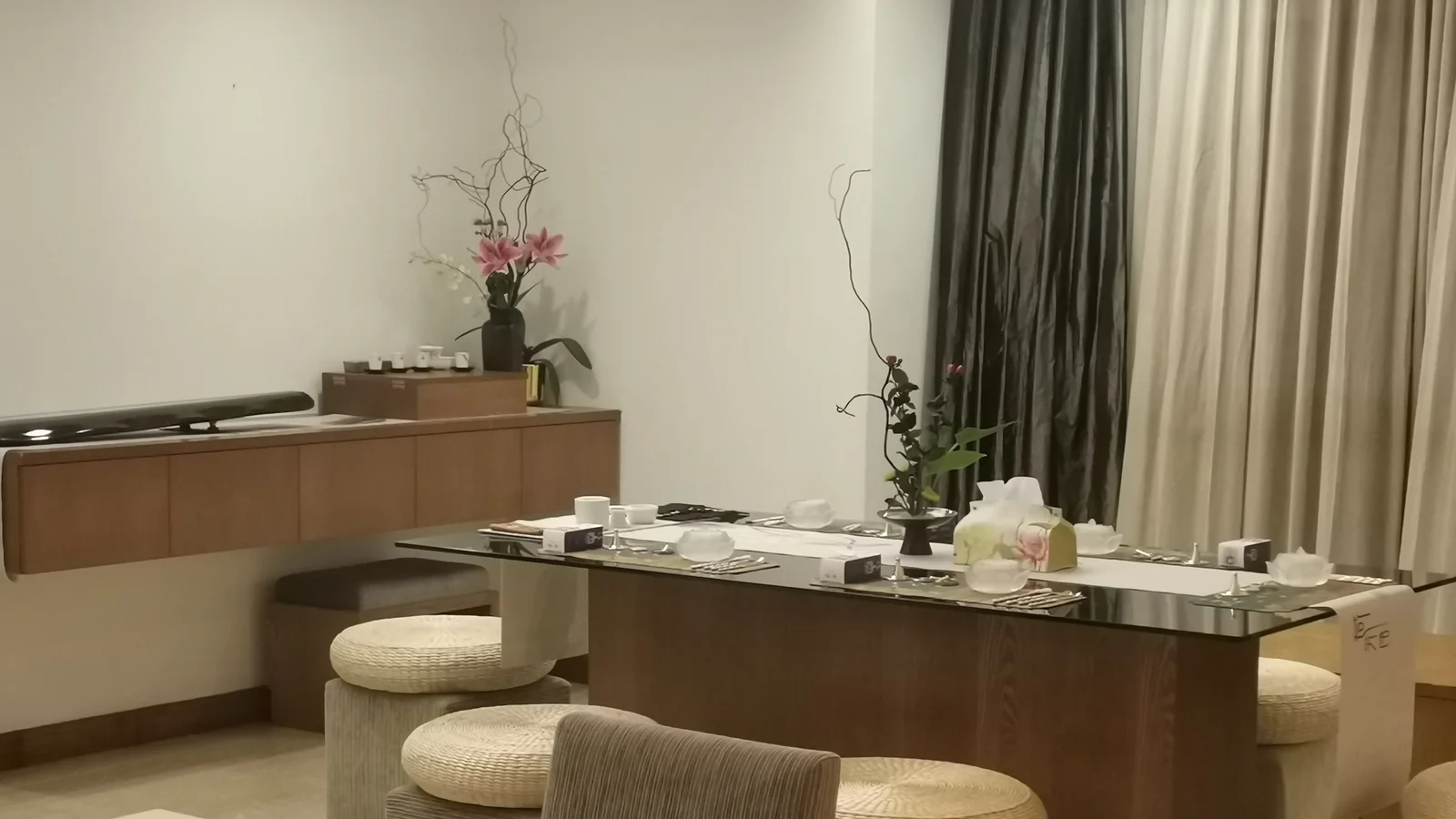
A quiet Taoist study room: a black guqin on a low wooden console beside a pink lily arrangement and tea set, and a dark-glass study table set with white lotus-shaped cups, an incense holder and a floral branch, with straw cushions and a grey curtain.

Tian Zhi Dao Qi You Zhang Gong Yu: The Archery Metaphor of Cosmic Balance

Chapter 77 of the Tao Te Ching (Dao De Jing) opens with a vivid craft image from classical Chinese archery: 'Is not the Way of Heaven like the drawing of a bow? That which is high it presses down; that which is low it raises up; that which has excess it diminishes; that which is deficient it supplements' (天之道,其犹张弓与?高者抑之,下者举之;有余者损之,不足者补之). When a traditional bowyer or archer strings and draws a composite recurve bow, any limb segment that arches too high must be pressed down, any low limb raised to match the tiller, any overly stiff section shaved or softened, and any weak point reinforced so the arrow flies true along the center. As Wang Bi (王弼) and Heshanggong (河上公) observe in their commentaries (studied under Taoist Classics), The Tao itself acts not out of partisan preference, but out of structural equilibrium: wherever energy accumulates to an extreme, natural reciprocity draws it back toward harmony.

The Way of Heaven versus the Way of Uncultivated Habit

Laozi next contrasts this natural equilibrium with acquisitive human habit: 'The Way of Heaven diminishes excess and supplements deficiency. The way of man is not so: it diminishes the deficient in order to offer more to the excessive' (天之道,损有余而补不足。人之道则不然,损不足以奉有余). Outside the socio-ethical sphere, this contrast describes what happens inside the human body during unexamined daily strain. When a practitioner moves with habitual tension, the already overactive upper shoulders, neck, and jaw ('the excessive') work even harder, draining stability from the under-engaged lower abdomen, hips, and feet ('the deficient'). Beginning students in our Start Here curriculum and Wudang Qigong & Daoyin reverse this pattern by sinking rising Qi from the chest and shoulders down to replenish the lower Dantian and root.

The Bow of Heaven & Balancing Excess and Deficiency: Zhang Gong and Sun You Yu Bu Bu Zu in Tao Te Ching Chapter 77

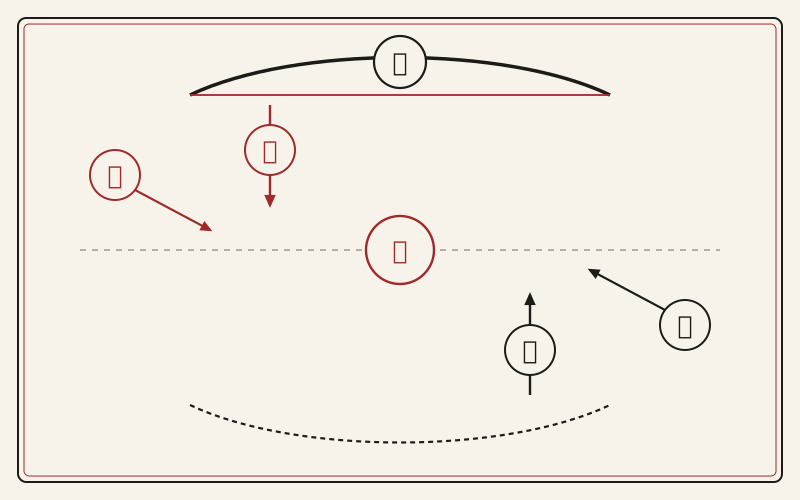
Classical diagram of Tao Te Ching Chapter 77 (The Bow of Heaven — Tian Zhi Dao Qi You Zhang Gong Yu): ① Drawing the Recurve Bow into Dynamic Equilibrium (Zhang Gong), ② Pressing Down the High (Gao Zhe Yi Zhi — descending adjustment of over-elevated tension), ③ Raising Up the Low (Xia Zhe Ju Zhi — lifting support of sunken structure), ④ Diminishing Excess (You Yu Zhe Sun Zhi — releasing overextended force), ⑤ Supplementing Deficiency (Bu Zu Zhe Bu Zhi — nourishing the root and empty gate), and ⑥ The Centered Line of The Tao Itself (Sun You Yu Er Bu Bu Zu — harmonious circulation without possession or boasting).

The Spinal Bow (Shen Gong) in Wudang Taijiquan and Push Hands

In Wudang internal martial arts (Wudang Taijiquan) and the living transmission preserved at Wudang Mountain, Chapter 77's drawn bow (Zhang Gong, 张弓) is also a direct biomechanical instruction known as preparing the 'five bows' (Wugong Bei, 五弓备)—the trunk bow formed by the spine from Baihui to the tailbone, paired with the two arm bows and two leg bows. In tactile Push Hands (Tuishou, 推手) and postures such as Needle at Sea Bottom and Fan Through the Back, the practitioner applies Chapter 77 directly: when an opponent's force rises high, yield and guide it downward (Gao Zhe Yi Zhi, 高者抑之); when their structure sinks low, uproot or lift along their rising arc (Xia Zhe Ju Zhi, 下者举之); where they overcommit with excess force, hollow out to diminish it (You Yu Zhe Sun Zhi, 有余者损之).

Offering Abundance Without Possession: Wei You Dao Zhe

Chapter 77 concludes by asking: 'Who is able to have an abundance and offer it to the world? Only one who embodies the Tao. Therefore the sage acts without claiming possession, accomplishes without dwelling on credit, and has no desire to display superiority' (孰能有余以奉天下,唯有道者。是以圣人为而不恃,功成而不处,其不欲见贤). Building directly upon the living suppleness of Chapter 76 (Soft and Supple at Birth in Chapter 76) and the calm restraint of Chapter 73 (Courage in Not Daring in Chapter 73), true abundance of Qi and skill arises only when one stops hoarding tension or seeking outward display.

Seeker’s Q&A · Frequently Asked Questions

How does The Bow of Heaven & Balancing Excess and Deficiency guide daily Wudang cultivation?

An in-depth study of Tao Te Ching (Dao De Jing) Chapter 77, exploring the archery metaphor of the Way of Heaven (Zhang Gong), diminishing excess to supplement deficiency, and the spinal bow mechanics of Wudang Taijiquan.
