TAOIST PHILOSOPHY · 道家哲学

The Tao Gives Them Life, Virtue Nourishes Them (Dao Sheng Zhi, De Xu Zhi): Natural Maturation and Mysterious Virtue (Xuande) in Tao Te Ching Chapter 51 道生之,德畜之:《道德经》第五十一章的万物化育四阶与“玄德”不宰之智

Explore Tao Te Ching (Dao De Jing) Chapter 51 on how the Tao generates and Virtue nourishes the ten thousand things without coercion, why all beings honor the Tao spontaneously (Chang Ziran), and what Mysterious Virtue (Xuande) means for daily cultivation.

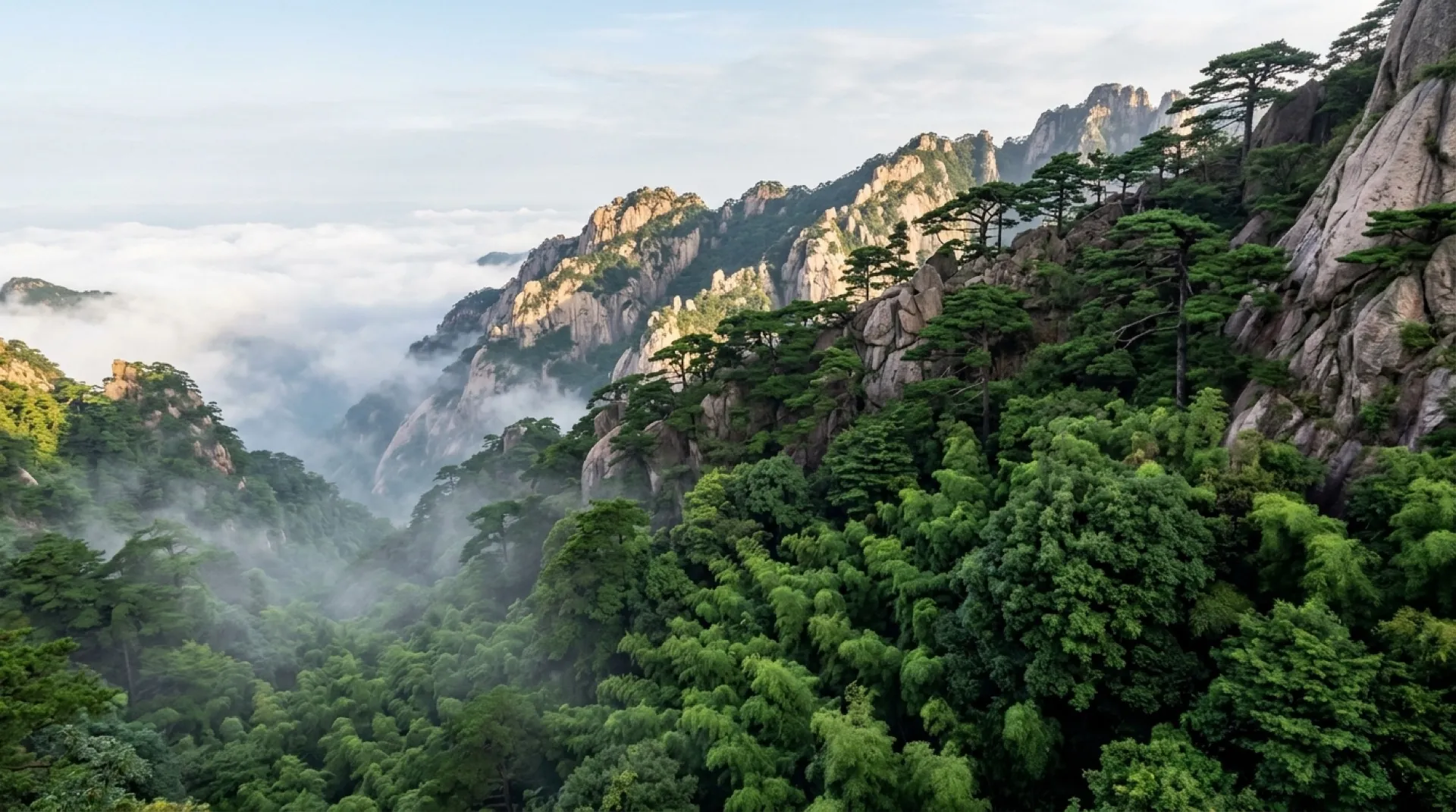
Slopes covered in pine and bamboo forest below pale granite ridges, with cloud filling the valley.

1. Classical Text and the Four Stages of Natural Generation

Chapter 51 of the Tao Te Ching (Dao De Jing) sets forth the clearest account in classical Taoism of how the Tao (Way) and De (Virtue / Inner Potency) work together to bring all things to fullness: “The Tao gives them life; Virtue nourishes them; matter gives them physical form; circumstances and seasonal momentum bring them to completion” (Dao sheng zhi, De xu zhi, wu xing zhi, shi cheng zhi 道生之,德畜之,物形之,势成之).

In Wang Bi’s (王弼, 226–249 CE) commentary, the Tao is the universal source from which every being arises, while De is what each being receives (“obtains,” de 得) to sustain its own nature. Once born and nourished, each species takes concrete shape through material conditions (wu xing zhi) and ripens through the natural interplay of environment and season (shi cheng zhi)—just as a pine seedling on Wudang Mountain sprouts from unseen vitality, draws nourishment from soil and rain, takes form as trunk and needles, and matures through mountain winters and summers.

2. “Never By Decree, Always By What Is Naturally So” (Mo Zhi Ming Er Chang Ziran)

Why do all living beings revere the Tao and honor Virtue? Laozi gives a remarkable answer: “Therefore among the ten thousand things, none fails to revere the Tao and honor Virtue. That the Tao is revered and Virtue is honored happens without anyone issuing a decree, and is forever naturally so” (Fu mo zhi ming er chang ziran 夫莫之命而常自然).

Whereas worldly authority demands respect through commands, rewards, and threats, the Tao and Virtue never issue an order—they simply provide the space, warmth, and seasonal rhythm in which life can flourish through Ziran (naturalness). As Chapter 51 continues, the Tao and Virtue “give life, nourish, grow, foster, shelter, ripen, tend, and protect” (sheng zhi xu zhi, zhang zhi yu zhi, ting zhi du zhi, yang zhi fu zhi 生之畜之,长之育之,亭之毒之,养之覆之) like a mountain valley that shelters trees without ever claiming ownership over them.

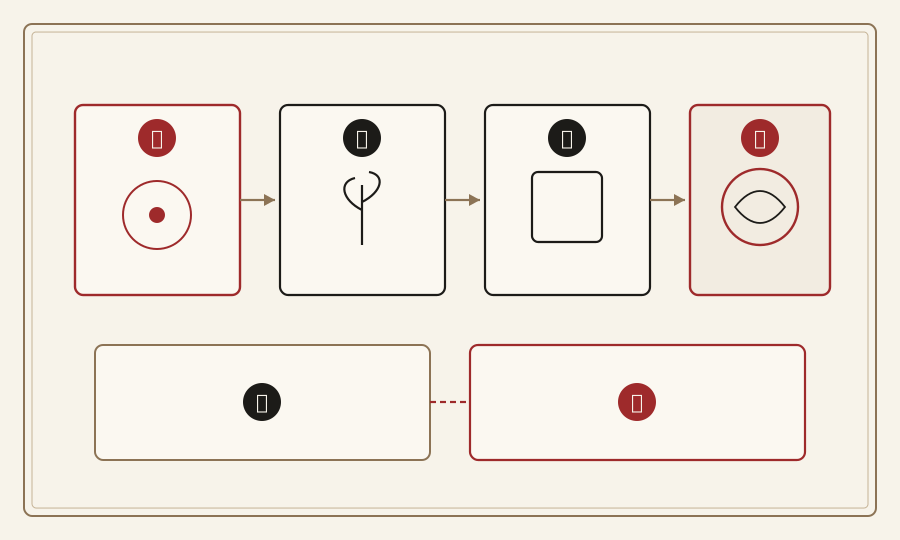
Classical numbers-only diagram of Tao Te Ching Chapter 51 showing the four sequential stages of natural maturation across the top (① Dao Sheng Zhi, ② De Xu Zhi, ③ Wu Xing Zhi, ④ Shi Cheng Zhi) supported below by Spontaneous Naturalness (⑤ Chang Ziran) and Mysterious Virtue (⑥ Xuande).

Tao Te Ching Chapter 51 (numbers-only SVG key): The four stages of natural generation grounded in Ziran and Mysterious Virtue (Xuande).

  1. ① The Tao Gives Life (Dao Sheng Zhi): The universal, unnameable source from which all beings arise.
  2. ② Virtue Nourishes (De Xu Zhi): The inner potency and integrity that sustains each being according to its nature.
  3. ③ Matter Shapes Form (Wu Xing Zhi): Differentiation into tangible structure and organic body.
  4. ④ Momentum Completes (Shi Cheng Zhi): Maturation through seasonal rhythm and environmental harmony.
  5. ⑤ Without Decree, Always Naturally So (Mo Zhi Ming Er Chang Ziran): Spontaneous reverence arising without coercion.
  6. ⑥ Mysterious Virtue (Xuande — Sheng Er Bu You): Generating without possessing, acting without presuming, leading without dominating.

3. Mysterious Virtue (Xuande): “Generating Without Possessing, Leading Without Dominating”

Chapter 51 closes by repeating verbatim the four-part seal of Chapter 10: “To give life yet not possess, to act yet not presume upon the result, to foster growth yet not dominate—this is called Mysterious Virtue” (Sheng er bu you, wei er bu shi, zhang er bu zai, shi wei xuande 生而不有,为而不恃,长而不宰,是谓玄德).

In Wudang internal arts—both in the mountain academies and in Singapore—this principle governs both teaching and personal training. You cannot force Neigong (internal skill) or root stability to ripen overnight by muscling through postures (“issuing a decree”); you plant the seed through correct alignment, nourish it through daily Zhan Zhuang, and allow time and consistent practice (shi cheng zhi) to bring the skill to maturity.

4. Daily Cultivation: Fostering Without Micromanaging

Today, apply Chapter 51’s Xuande to one responsibility in your work, teaching, or family life. Provide clear conditions, encouragement, and support (“nourishing and sheltering”), then consciously step back from micromanaging or claiming personal credit (“fostering growth without dominating”).

Notice how both you and the people around you settle when growth is supported rather than forced. Safety note: this philosophical reflection supports patient daily leadership and practice and does not replace professional medical advice.

Seeker’s Q&A · Frequently Asked Questions

What do “Dao Sheng Zhi, De Xu Zhi, Wu Xing Zhi, Shi Cheng Zhi” mean in Tao Te Ching Chapter 51?

They describe the four natural stages by which all things come to maturity: the Tao gives them life (Dao Sheng Zhi), Virtue nourishes their innate potential (De Xu Zhi), material conditions give them tangible form (Wu Xing Zhi), and seasonal momentum brings them to completion (Shi Cheng Zhi).


