TAOIST PHILOSOPHY · 道家哲学

Wearing Coarse Cloth and Holding Jade Within (Pi He Huai Yu): Why the Simplest Teaching Is Overlooked and Words Have an Ancestor in Tao Te Ching Chapter 70 言有宗,事有君:《道德经》第七十章「甚易知甚易行与被褐怀玉」发微

A practitioner-scholar study of Tao Te Ching (Dao De Jing) Chapter 70—examining why Laozi's words are very easy to know and practice (Shen Yi Zhi, Shen Yi Xing), what it means that words have an ancestor and affairs have a sovereign (Yan You Zong, Shi You Jun), and how wearing coarse cloth while holding jade within (Pi He Huai Yu) guides Wudang cultivation.


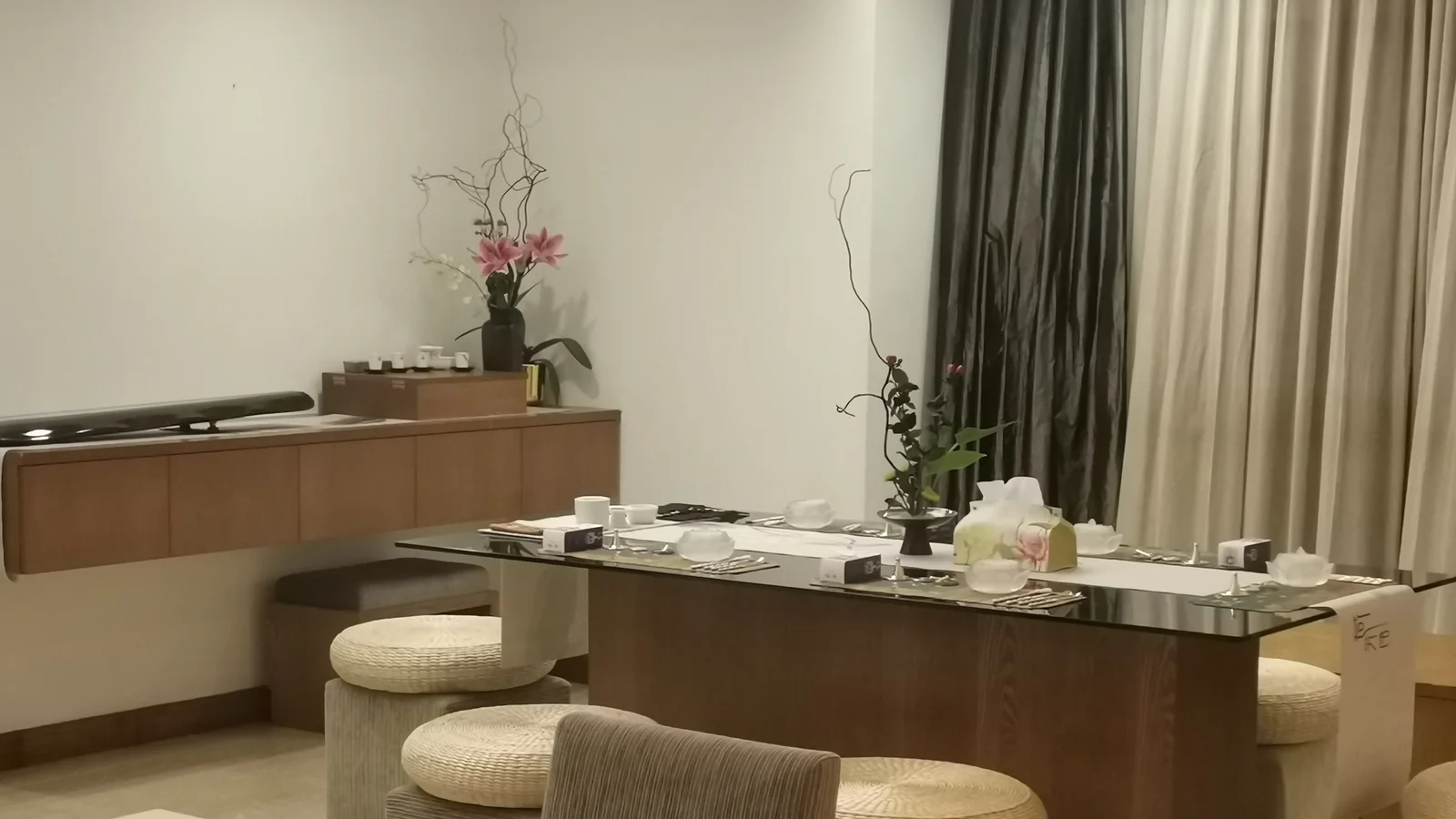
A quiet Taoist study room: a black guqin on a low wooden console beside a pink lily arrangement and tea set, and a dark-glass study table set with white lotus-shaped cups, an incense holder and a floral branch, with straw cushions and a grey curtain.

“My Words Are Very Easy to Know and Very Easy to Practice” (Wu Yan Shen Yi Zhi, Shen Yi Xing)

Chapter 70 of the Tao Te Ching (Dao De Jing) opens with a remarkably candid statement from Laozi: 'My words are very easy to know and very easy to practice; yet no one in the world is able to know them, and no one is able to practice them' (吾言甚易知,甚易行。天下莫能知,莫能行). Why would a teaching that is genuinely simple be so rarely practiced? In Wang Bi's commentary (老子道德经注), the reason is that ordinary learning delights in cleverness, novelty, and accumulation: 'It can be known without stepping out the door or peering through the window, hence it is very easy to know; it can be practiced without strain or artifice, hence it is very easy to practice—yet people lose it because they are bedazzled (迷惑) by restless desires and outward complexity.' Every Wudang teacher sees this exact pattern in the training hall: standing quietly with sunk shoulders and soft breath (Zhan Zhuang) requires no acrobatic talent, yet students routinely overlook it because their minds crave complicated routines.

“Words Have an Ancestor, Affairs Have a Sovereign” (Yan You Zong, Shi You Jun)

Laozi immediately explains why his teaching is coherent rather than a collection of scattered proverbs: 'Words have an ancestor (zong 宗); affairs have a sovereign (jun 君). Because people do not know this root, they do not know me' (言有宗,事有君。夫唯无知,是以不我知). In classical Chinese kinship and governance, the zong (宗) is the ancestral temple where all branches of a family trace their shared lineage, and the jun (君) is the quiet center around which a court revolves. Across all eighty-one chapters of the Tao Te Ching, every maxim traces back to one 'ancestor'—returning to naturalness and quiet non-coercion (ziran wuwei 自然无为). Similarly, in Wudang Taijiquan, hundreds of hand techniques and stepping changes obey a single 'sovereign': the waist and lower Dantian (主宰于腰, in Wu Yuxiang's Shisanshi Xinggong Xinjie 十三势行功心解). Once you grasp the ancestor and the sovereign, you no longer get lost in the branches.

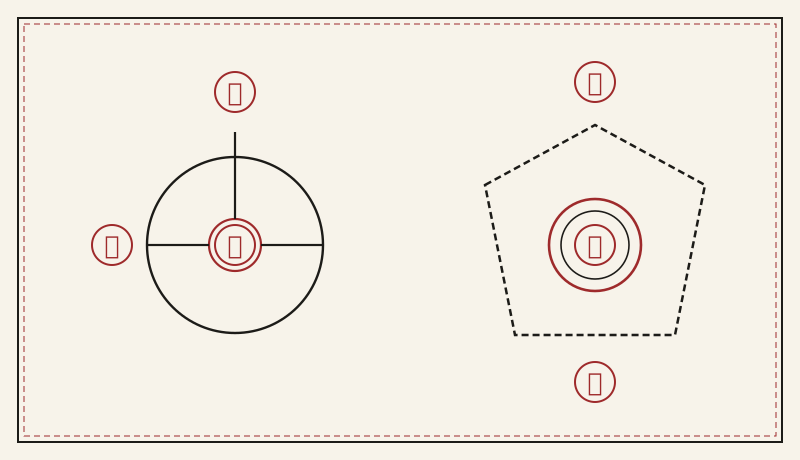
Classical Wudang ink-on-parchment diagram of Tao Te Ching Chapter 70 showing Easy to Know and Practice (①), The Ancestor of Words Yan You Zong (②), The Sovereign of Affairs Shi You Jun (③), Rarity of Those Who Understand Zhi Wo Zhe Xi (④), Coarse Hemp Garment Outside Pi He (⑤), and Luminous Jade Held Within Huai Yu (⑥).

Key — ① Very Easy to Know and Very Easy to Practice (吾言甚易知,甚易行); ② Words Have an Ancestor (言有宗, tracing teachings back to quiet origin); ③ Affairs Have a Sovereign (事有君, governing movement from the central axis); ④ Few Understand, Hence Its Preciousness (知我者希,则我者贵); ⑤ Coarse Cloth Outside (被褐, plain unpretentious exterior); ⑥ Holding Jade Within (怀玉, luminous inner spirit and vitality).

“Those Who Know Me Are Few; Therefore I Am Precious” (Zhi Wo Zhe Xi, Ze Wo Zhe Gui)

Rather than complaining that the world overlooks quiet cultivation, Laozi states calmly: 'Those who know me are few; those who model themselves on me are precious' (知我者希,则我者贵). When a practice does not advertise itself with loud promises or theatrical displays, it naturally attracts fewer thrill-seekers. Yet its value does not depend on crowd applause; like a high mountain spring on Wudang, its clarity remains unchanged whether ten people or a thousand come to drink.

“Wearing Coarse Cloth While Holding Jade in the Bosom” (Pi He Huai Yu)

Chapter 70 concludes with one of the most beloved four-character images in Chinese literati and Taoist culture: 'Therefore the sage wears coarse hemp cloth while holding precious jade in the bosom' (是以圣人被褐怀玉). He (褐) was the rough, undyed homespun garment of farmers and mountain woodcutters; yu (玉) is warm, dense nephrite jade—the classical emblem of cultivated virtue (de 德) and gathered spirit (shen 神). In Heshang Gong's commentary (老子章句), 'wearing coarse cloth' means keeping one's outward manner plain, modest, and unassuming (外质朴), while 'holding jade within' means treasuring luminous clarity and unbroken vitality inside the heart-mind and Dantian (内怀道德). Safety note: In your practice today, let go of how your posture looks from the outside; wear 'coarse cloth' in your form—simple, unhurried, and unpretentious—while feeling for the warm 'jade' of quiet breath and connected balance inside.

Seeker’s Q&A · Frequently Asked Questions

How does Wearing Coarse Cloth and Holding Jade Within (Pi He Huai Yu) guide daily Wudang cultivation?

A practitioner-scholar study of Tao Te Ching (Dao De Jing) Chapter 70—examining why Laozi's words are very easy to know and practice (Shen Yi Zhi, Shen Yi Xing), what it means that words have an ancestor and affairs have a sovereign (Yan You Zong, Shi You Jun), and how wearing coarse cloth while holding jade within (Pi He Huai Yu) guides Wudang cultivation.
