TAOIST PHILOSOPHY · 道家哲学

Great Perfection Seems Incomplete (Da Cheng Ruo Que): Unpretentious Skill (Da Qiao Ruo Zhuo) and Why Clarity and Stillness Settle the World in Tao Te Ching Chapter 45 大成若缺,大巧若拙:《道德经》第四十五章的曲中求直与清静天下正

Explore Tao Te Ching (Dao De Jing) Chapter 45 ('Great perfection seems incomplete; great fullness seems empty; great straightness seems curved; great skill seems clumsy') and how Wudang cultivation embodies uncontrived mastery and calm stillness.


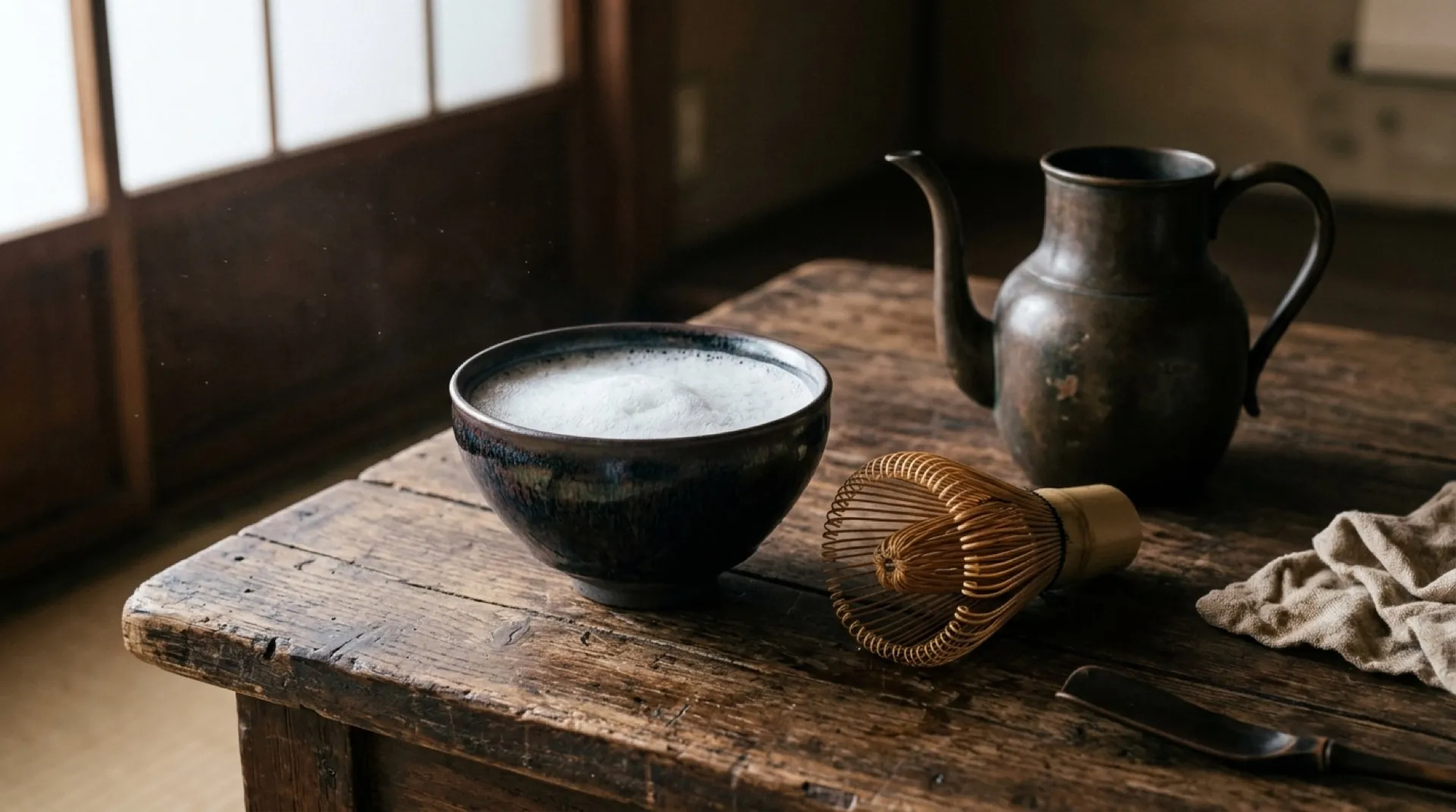
A dark-glazed bowl of frothy whisked tea, a bamboo whisk and a metal ewer on an old wooden table.

1. Why Brittle Perfection Breaks While 'Incomplete Perfection' Endures

Chapter 45 of the Tao Te Ching (Dao De Jing) opens with a series of five luminous paradoxes that challenge conventional ideas of mastery: 'Great perfection seems incomplete, yet its use does not wear out (da cheng ruo que, qi yong bu bi 大成若缺,其用不弊). Great fullness seems empty, yet its use is inexhaustible (da ying ruo chong, qi yong bu qiong 大盈若冲,其用不穷). Great straightness seems curved; great skill seems clumsy (da qiao ruo zhuo 大巧若拙); great eloquence seems hesitant.'

Why would completeness appear slightly incomplete, or fullness keep an empty margin? As we saw in Knowing When to Stop (Zhi Zu) and the Tao Te Ching Chapter 45 study guide, any vessel filled to the absolute brim spills at the slightest tremor, and any blade tempered to rigid hardness snaps under sudden load. By leaving room for breath, growth, and adaptation, living wholeness never wears out.

2. 'Great Straightness Seems Curved, Great Skill Seems Clumsy' (Da Zhi Ruo Qu, Da Qiao Ruo Zhuo)

To a practitioner of Wudang internal martial arts, Laozi's fourth and fifth lines read like a direct manual of biomechanics. The Taijiquan classics explicitly echo Chapter 45 with the phrase qu zhong qiu zhi (曲中求直)—'seek straightness within curves.' A beginner who tries to make the spine or arm 'straight' locks the joints rigid like a dry stick; an experienced practitioner keeps every joint—the knees, hip creases (Kua), spine, elbows, and wrists—softly curved like a drawn bow, yet the resulting line of force is unerringly straight.

Similarly, 'great skill seems clumsy' (da qiao ruo zhuo) describes the transition from showy external flourishes to deep internal root. Early in training, students are often drawn to fast, ornate movements that look clever to spectators. Mature Wudang Taijiquan—like the uncarved block (Pu) explored in Simplicity and Reducing Excess—looks plain, unhurried, and almost ordinary from the outside, because all superfluous tension has been pared away.

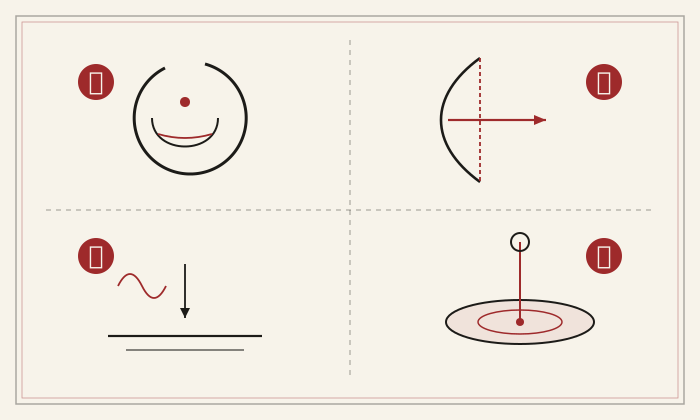
Four-quadrant classical diagram illustrating Tao Te Ching Chapter 45: an unclosed jade ring and half-filled vessel, a curved bow projecting a straight line, rising heat settling into cool stillness, and a clear water mirror

The four paradoxes of Tao Te Ching Chapter 45: living room in completion, straightness within curves, stillness overcoming heat, and clarity as the world's measure.

  1. ① Great Perfection & Great Fullness (Da Cheng Ruo Que, Da Ying Ruo Chong): Keeping an open margin and hollow space so vitality never stagnates or cracks.
  2. ② Great Straightness & Great Skill (Da Zhi Ruo Qu, Da Qiao Ruo Zhuo): True alignment emerging from supple curves rather than showy stiffness.
  3. ③ Movement Overcomes Cold, Stillness Overcomes Heat (Zao Sheng Han, Jing Sheng Re): Calming mental fever and agitation through quiet settling.
  4. ④ Clarity and Stillness Settle the World (Qing Jing Wei Tian Xia Zheng): The unclouded center that restores natural order without force.

3. 'Movement Overcomes Cold, Stillness Overcomes Heat' (Zao Sheng Han, Jing Sheng Re)

Chapter 45 concludes with a remarkably practical observation on thermoregulation and emotional balance: 'Brisk movement overcomes cold; stillness overcomes heat. Clarity and stillness are the upright measure for all under heaven' (zao sheng han, jing sheng re; qing jing wei tian xia zheng 躁胜寒,静胜热。清静为天下正). When the body is chilled in winter, active Daoyin stepping awakens warmth; but when the heart-mind is overheated by anxiety, anger, or information overload, frantic action only fans the flames.

Only quietness (Jing 静) cools mental fever—the same principle taught in the Classic of Clarity and Stillness (Qingjing Jing) and practiced in our calming heart-fire Daoyin guide.

4. A Daily Practice: Leaving the 'Ten-Percent Margin' in Breath and Posture

Today in your Qigong, Taijiquan, or daily work, practice Chapter 45's principle of da ying ruo chong (great fullness keeping empty space) by leaving a little room. When inhaling, stop at a comfortable fullness rather than straining the upper ribs; when extending an arm or stepping into a bow stance, leave a soft reserve in the elbow and knee rather than locking the joint to its mechanical limit.

Notice how leaving that quiet margin keeps your energy inexhaustible throughout the day. Safety note: this philosophical and movement study guide is educational and supports balanced daily practice; it does not replace medical advice or treatment.

Seeker’s Q&A · Frequently Asked Questions

What is the core takeaway of Great Perfection Seems Incomplete (Da Cheng Ruo Que)?

Explore Tao Te Ching (Dao De Jing) Chapter 45 ('Great perfection seems incomplete; great fullness seems empty; great straightness seems curved; great skill seems clumsy') and how Wudang cultivation embodies uncontrived mastery and calm stillness.
