TAOIST PHILOSOPHY · 道家哲学

Attaining the One (De Yi) in Tao Te Ching Chapter 39: Clear Heaven, Tranquil Earth, and Why the High Takes the Low as Its Foundation 昔之得一者:《道德经》第三十九章的“天清地宁”与“高以下为基”

Explore Tao Te Ching (Dao De Jing) Chapter 39 on how Heaven, Earth, Spirit, and the Valley attain the One (De Yi), why humility is the root of nobility, and why the sage prefers rough stone over carved jade.

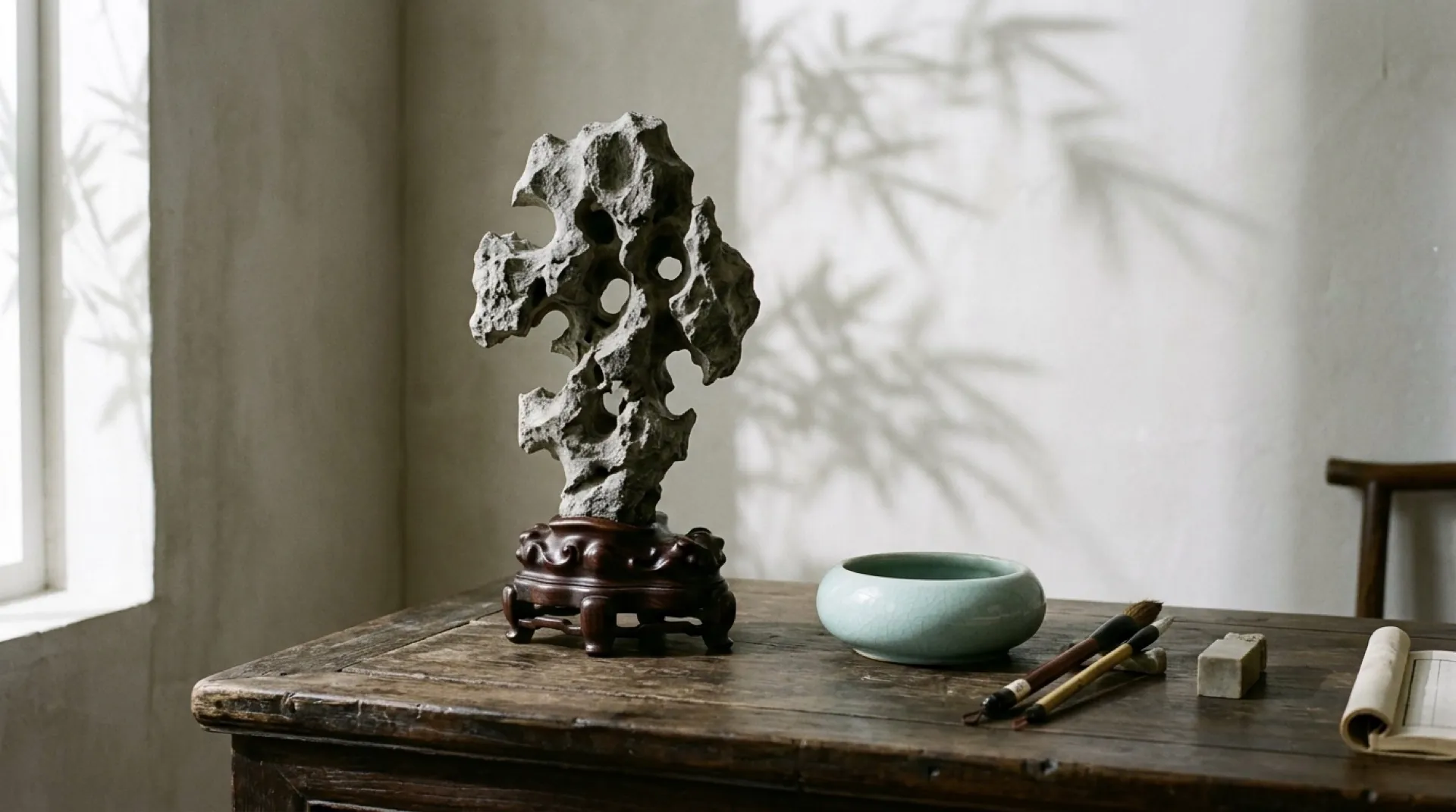
A perforated scholar’s rock on a carved wooden stand, a celadon bowl and two brushes on an old wooden table by a sunlit window, with bamboo shadows on the wall.

1. Classical Text and Wang Bi’s Commentary: “Those of Old Who Attained the One” (Xi Zhi De Yi Zhe)

Chapter 39 of the Tao Te Ching (Dao De Jing) opens with one of the most celebrated cosmological passages in the classical canon: “Those of old who attained the One: Heaven attained the One and became clear; Earth attained the One and became tranquil; Spirit attained the One and became numinous; the Valley attained the One and became full; the ten thousand things attained the One and came to life” (Xi zhi de yi zhe: tian de yi yi qing, di de yi yi ning, shen de yi yi ling, gu de yi yi ying, wan wu de yi yi sheng 昔之得一者:天得一以清,地得一以宁,神得一以灵,谷得一以盈,万物得一以生).

In his commentary, Wang Bi (王弼, 226–249 CE) writes: “One is the beginning of number and the ultimate of things; each being attains what makes it whole through this undivided One.” Without this unifying center, Heaven’s brightness would scatter, Earth’s solidity would crack, the luminous spirit (shen) would grow exhausted, and the valley stream would dry up—linking Chapter 39 directly to Embracing the One (Baoyi) in Chapters 10 and 22 and to the meditative discipline of Shouyi (Guarding the One).

2. “The Noble Takes the Humble as Its Root; the High Takes the Low as Its Foundation”

Immediately after describing cosmic order, Laozi grounds “the One” in humility: “Therefore the noble takes the humble as its root, and the high takes the low as its foundation” (Gu gui yi jian wei ben, gao yi xia wei ji 故贵以贱为本,高以下为基). Just as a tall pagoda stands only because its unseen foundation stones bear the weight in the dirt below, no lofty achievement can survive if it despises its humble root.

Chapter 39 concludes with a striking image of unpretentious strength: “Therefore do not wish to chime and glisten like carved jade, but remain plain and solid like rough mountain stone” (Bu yu lu lu ru yu, luo luo ru shi 不欲琭琭如玉,珞珞如石). Carved jade ornaments draw envious eyes and shatter easily when dropped; rough mountain stone (shi 石) asks for no admiration and endures centuries of wind and rain, echoing the Uncarved Block (Pu) of Chapter 28.

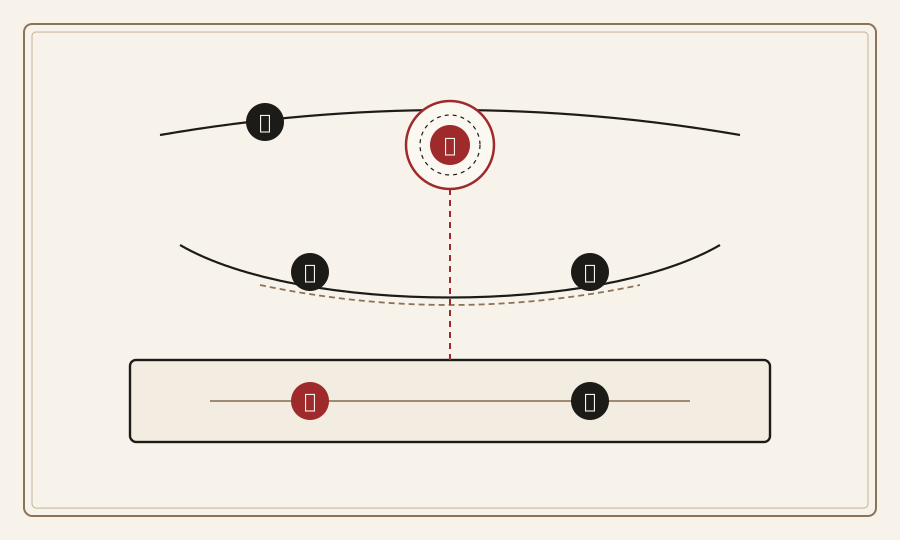
Classical numbers-only diagram of Tao Te Ching Chapter 39 showing Clear Heaven and Numinous Spirit above (①–②), the Full Valley and Ten Thousand Living Beings in the middle (③–④), and Tranquil Earth and Rough Mountain Stone as the low foundation below (⑤–⑥).

Tao Te Ching Chapter 39 (numbers-only SVG key): Cosmic and bodily harmony through Attaining the One (De Yi) and anchoring the high upon the low.

  1. ① Heaven Attains the One and Becomes Clear (Tian De Yi Yi Qing): Unclouded awareness at the upper crown when the mind is undivided.
  2. ② Spirit Attains the One and Becomes Numinous (Shen De Yi Yi Ling): Quiet responsiveness settled along the central axis.
  3. ③ The Valley Attains the One and Becomes Full (Gu De Yi Yi Ying): Receptive hollowness in the chest and abdomen that gathers vital breath.
  4. ④ All Things Attain the One and Come to Life (Wan Wu De Yi Yi Sheng): Harmonious circulation nourishing the whole organism.
  5. ⑤ Earth Attains the One and Becomes Tranquil (Di De Yi Yi Ning): Deep lower-body root supporting all upright structure (“the high takes the low as its foundation”).
  6. ⑥ Plain and Solid Like Mountain Stone (Luo Luo Ru Shi): Unpretentious bedrock durability preferred over fragile carved jade ornament.

3. “Clear Above, Tranquil Below” in Wudang Standing and Sitting Cultivation

In Wudang internal arts—practiced across the ancient temple courtyards of Wudang Mountain and in daily classes in Singapore—“Clear Heaven and Tranquil Earth” (tian qing di ning 天清地宁) is not merely cosmology; it is the exact somatic map of a healthy posture. When a practitioner stands in Zhan Zhuang or moves through Wudang Taijiquan, the head and upper mind must be light, clear, and unclouded like Heaven, while the waist, hips, and soles must be heavy, quiet, and stable like Earth (“the high takes the low as its foundation”).

Whenever anxiety or haste pulls heat and tension upward into the neck and shoulders, the body loses “the One”: the head becomes murky and the feet float. Returning attention to the soles (Yongquan rooting) and the lower Dantian restores the natural polarity where clear spirit rests upon tranquil earth.

4. One-Minute Practice: “Clear Crown, Stone-Solid Feet”

Stand or sit upright with your feet flat on the ground for one minute. On each slow nasal inhalation, feel the crown of the head suspend lightly toward the sky (“Heaven clear”); on each slow exhalation, let the weight of your shoulders, ribs, and pelvis settle all the way down into the soles of your feet like a rough mountain stone resting on the earth (“Earth tranquil, high founded on the low”).

After six breaths, notice how unifying upper clarity and lower stability quiets mental scatter immediately. Safety note: this traditional contemplation and posture check supports everyday calm and does not replace professional medical care.

Seeker’s Q&A · Frequently Asked Questions

What does “do not wish to chime like jade, but remain solid like stone” mean in Tao Te Ching Chapter 39?

Laozi uses carved jade (admired for its flashy surface polish yet fragile and coveted) versus rough mountain stone (unpretentious, grounded, and enduring) to illustrate why true cultivation values humble foundation over outward status.


