TAOIST PHILOSOPHY · 道家哲学

Acting Without Obsessive Attachment to Living Is Worthier Than Over-Prizing Life (无以生为者,是贤于贵生): Tao Te Ching Chapter 75 夫唯无以生为者,是贤于贵生:《道德经》第七十五章的戒除妄为与武当清静养生哲学

Why over-taxing the senses, meddling with the breath (You Wei), and anxiously chasing longevity tricks deplete the living root, and how uncontrived stewardship sustains Wudang practice.

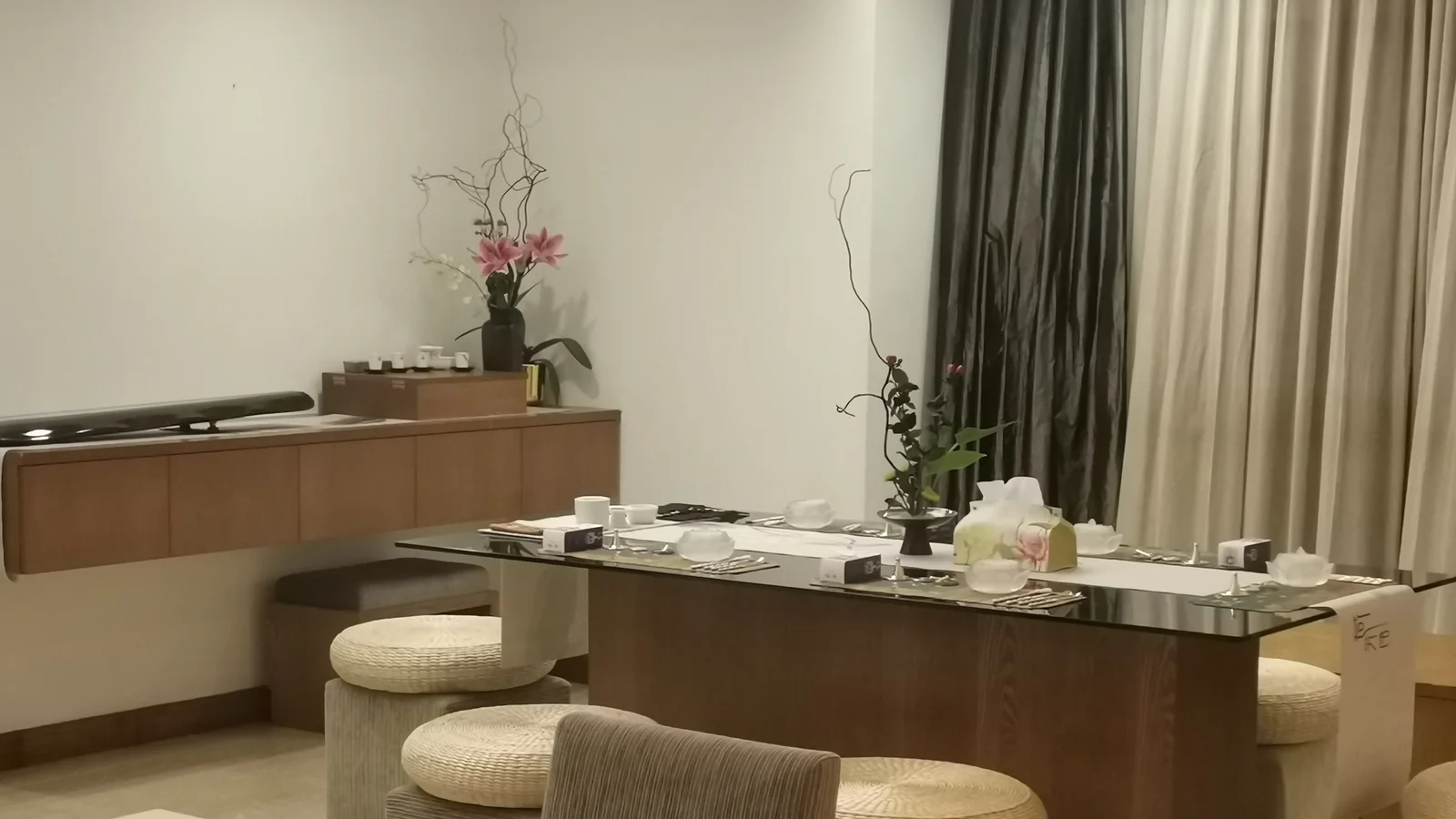
A quiet Taoist study room: a black guqin on a low wooden console beside a pink lily arrangement and tea set, and a dark-glass study table set with white lotus-shaped cups, an incense holder and a floral branch, with straw cushions and a grey curtain.

1. Classical Text and the Threefold Diagnosis of Chapter 75

Chapter 75 of the Tao Te Ching (Dao De Jing) continues the late-De Jing reflections of Chapter 72 (Do Not Cramp Their Dwelling — Wu Xia Qi Suo Ju) and Chapter 73 (Courage in Not Daring — Yong Yu Bu Gan), while directly answering the longevity riddle of Chapter 50 (Why Do People Move Into the Ground of Death? Because They Over-Thicken Life — Sheng Sheng Zhi Hou):

民之饥,以其上食税之多,是以饥;
民之难治,以其上之有为,是以难治;
民之轻死,以其上求生之厚,是以轻死。
夫唯无以生为者,是贤于贵生。

"The people starve because those above consume too much in taxes; therefore they starve.
The people are difficult to govern because those above are meddlesomely active (you wei 有为); therefore they are difficult to govern.
The people take death lightly because those above grasp too thickly after living (qiu sheng zhi hou 求生之厚); therefore they take death lightly.
Truly, only one who does not turn living into an anxious contrivance (wu yi sheng wei zhe 无以生为者) is wiser than one who over-prizes life (gui sheng 贵生)."

In the classical commentarial tradition—spanning Heshang Gong (河上公), Wang Bi (王弼, 226–249 CE), and Su Zhe (苏辙, 1039–1112 CE)—the word Shang (上, "that which is above") refers simultaneously to the ruler in the state and to the conscious, calculating mind-intellect (Xin Zhi 心智) presiding over the human body (Min 民, the hundred bones and viscera):

  1. Shang Shi Shui Zhi Duo (上食税之多 — Over-Taxing the Root): In the state, when the court extracts grain without restraint, the farmers go hungry. In the human microcosm, when the eyes, ears, and restless ambition at the top of the head continuously draw up Essence and Qi (Jing and Qi) from the lower Dantian and Five Viscera to fuel sensory stimulation and worry, the internal organs are left "starving" (Ji 饥).
  2. Shang Zhi You Wei (上之有为 — Meddlesome Interference): When a practitioner's conscious mind refuses to trust natural physiological rhythm—forcibly holding the breath, tensing muscles to manufacture "energy sensations," or constantly switching methods—the breath and pulse become agitated and "difficult to govern" (Nan Zhi 难治).
  3. Wu Yi Sheng Wei Zhe, Shi Xian Yu Gui Sheng (无以生为者,是贤于贵生): Su Zhe explains that Gui Sheng (贵生, over-prizing and fussing over life) leads people to obsess over exotic elixirs, extreme regimens, and anxious self-monitoring until they injure their own vitality; whereas Wu Yi Sheng Wei (无以生为—not making "living" an artificial, anxious project of You Wei) lets life flourish in its own uncontrived fullness.
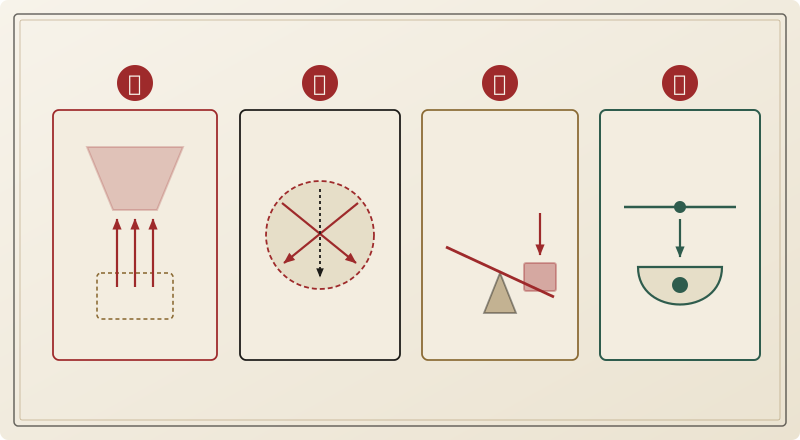
Classical Wudang diagram for Tao Te Ching Chapter 75 contrasting top-heavy over-taxation and meddlesome intervention with the quiet equilibrium of Wu Yi Sheng Wei
Figure 1 — Structural Architecture of Chapter 75 (无以生为者,是贤于贵生): ① Shang Shi Shui Zhi Duo (上食税之多): top-heavy extraction draining vital grain upward from the lower granary; ② Shang Zhi You Wei (上之有为): meddlesome, crossed interference disrupting natural circulation; ③ Qiu Sheng Zhi Hou / Gui Sheng (求生之厚/贵生): overloading one side of the balance scale until it tips into danger; ④ Wu Yi Sheng Wei (无以生为): level equilibrium and quiet downward nourishment replenishing the lower Dantian.

2. Comparing Anxious "Over-Prizing Life" (Gui Sheng) with Uncontrived Stewardship (Wu Yi Sheng Wei)

Cultivation DimensionOver-Prizing & Meddling (Gui Sheng / You Wei 贵生有为)Uncontrived Stewardship (Wu Yi Sheng Wei 无以生为)
Relationship of Mind (Shang) to Body (Min)The intellect treats the body like an extractive tax collector—demanding peak output while ignoring fatigueThe Heart-Mind governs like a quiet sage (Ch. 60 Governing a Great State Like Cooking Small Fish), never disturbing the viscera
Breathing & Neigong AttitudeForcing heat, chasing dramatic sensations, or anxiously checking every heartbeatNatural abdominal breathing and daily subtraction of contrivance (Wei Dao Ri Sun, Ch. 48)
Long-Term ResultExhaustion of the root (Min Zhi Ji) and reckless burnoutSteady, unhurried vitality rooted in quietude (Gui Gen, Ch. 16)

3. Wudang Somatic & Martial Application: Stopping the Mental Tax Collector

In Wudang Zhan Zhuang, Qigong, and Taijiquan, Chapter 75 offers a direct diagnostic whenever practice feels strained or exhausting:

  • Returning the "Tax" from the Head to the Root: Modern desk work and screen use pull 80 percent of our attention and blood flow into the eyes and cerebral cortex (Shang Shi Shui Zhi Duo). Practices such as Golden Rooster Stands on One Leg (Jinji Duli) and Warming Taixi and Sanyinjiao at the Inner Ankle reverse that upward extraction, returning awareness and warmth to the soles and lower Dantian.
  • Letting the Breath Breathe Itself (Wu Yi Sheng Wei): When standing in Zhan Zhuang, do not micromanage the diaphragm (Shang Zhi You Wei). Establish upright alignment, soften the chest, and let the breath rise and settle of its own accord.

Practice Reflection for Students

At the close of your workday, pause for two minutes and ask: "How much tax has my thinking mind collected from my body today?" Close your eyes, drop your shoulders, and let three slow exhalations return that borrowed energy back down to your feet.

Seeker’s Q&A · Frequently Asked Questions

What does Tao Te Ching Chapter 75 mean by “not making living a project” (无以生为)?

Chapter 75 names three ways the top drains the root: those above tax too much, meddle too much (you wei 有为) and grasp too thickly after living, so the people starve, are hard to govern and take death lightly. In the commentarial tradition of Heshang Gong, Wang Bi and Su Zhe, “those above” is both the ruler and the calculating mind that presides over the body. The chapter concludes that one who does not turn living into an anxious contrivance (wu yi sheng wei) is wiser than one who over-prizes life (gui sheng 贵生). In practice this means you stop forcing the breath and chasing sensations, and let attention and warmth settle back to the lower Dantian and the feet.


How can I apply this in practice?

At the close of your workday, pause for two minutes and ask: "How much tax has my thinking mind collected from my body today?" Close your eyes, drop your shoulders, and let three slow exhalations return that borrowed energy back down to your feet.
