
TAOIST PHILOSOPHY · 道家哲学

Sitting in Forgetfulness (Zuowang) in the Zhuangzi: Yan Hui, Sima Chengzhen, and Merging with the Great Thoroughfare 《庄子·大宗师》颜回“坐忘”解:堕肢体、黜聪明与同于大通的静定次第

Explore the classical Taoist meditation teaching of Sitting in Forgetfulness (Zuowang) in Zhuangzi Chapter 6 (Da Zongshi) — Yan Hui's three-stage shedding of moralism, ritual formalism, and bodily-mental clinging to merge with the Great Thoroughfare (Tong Yu Datong).
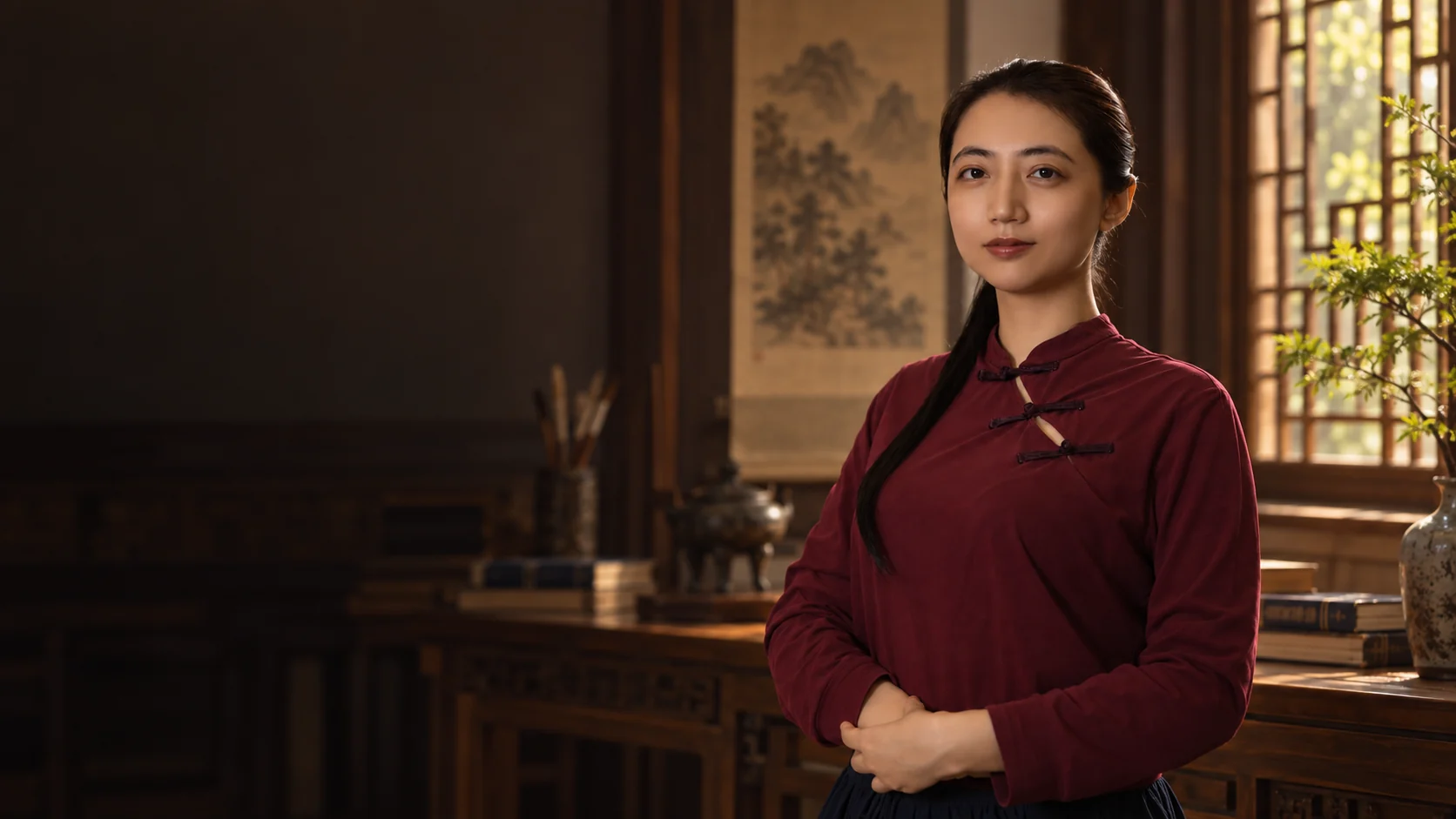
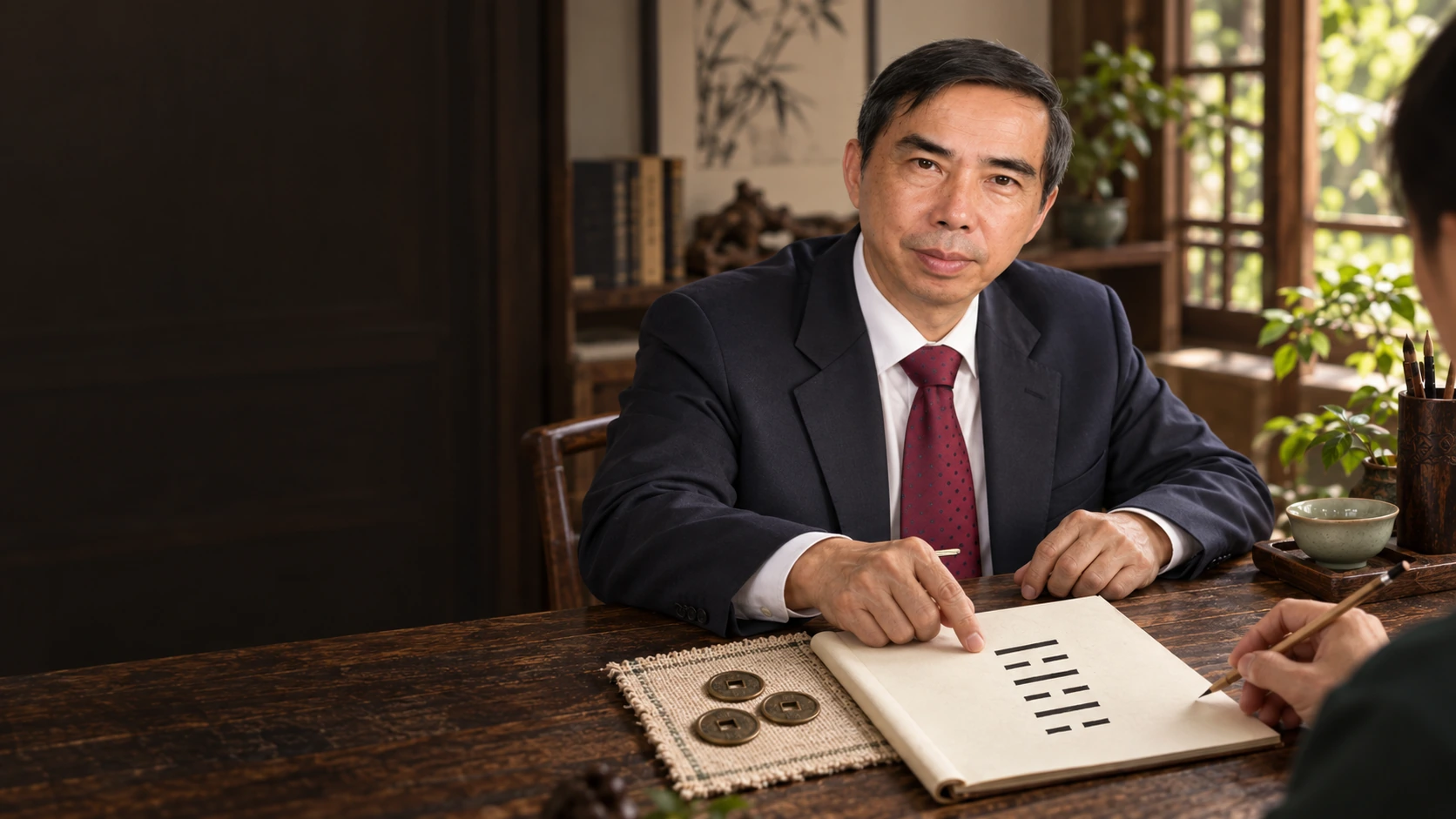
An old pine leaning over a flat rock ledge above a sea of clouds at dawn.

1. Textual Foundation: Yan Hui's Three Reports in Zhuangzi Chapter 6 (Da Zongshi)

While Chapter 4 of the Zhuangzi introduces the famous dialogue on the Fasting of the Heart-Mind (Xinzhai), Chapter 6 (Da Zongshi 大宗师, "The Great and Venerable Teacher") presents its sister pinnacle of classical Taoist contemplation: Sitting in Forgetfulness (Zuowang 坐忘). In the dialogue, Confucius's most devoted student Yan Hui (颜回) comes to report his progress three times. On the first visit, Yan Hui says: "I have improved... I have forgotten benevolence and righteousness" (吾忘仁义矣). Confucius replies: "Good, but you still have not reached it." Onanother day, Yan Hui returns and says: "I have improved... I have forgotten rites and music" (吾忘礼乐矣). Confucius again replies: "Good, but you still have not reached it."

On the third visit, Yan Hui simply says: "I have improved... I sit and forget" (吾坐忘矣). Startled and moved, Confucius asks: "What do you mean by sitting and forgetting?" (何谓坐忘?). Yan Hui answers in sixteen luminous characters: "I slough off limbs and trunk, dim my perceptual cleverness, depart from physical form and let go of discursive knowledge, and become identical with the Great Thoroughfare — this is what I call sitting in forgetfulness" (堕肢体,黜聪明,离形去知,同于大通,此谓坐忘). Confucius bows to his student's insight: "If you are identical with it, you have no partial preferences; if you transform with it, you have no rigid constancy. You are truly a worthy — I beg to follow behind you!" (同则无好也,化则无常也).

2. Why "Forgetting" Is Subtracting Clinging, Not Losing Memory

Beginners reading about Zuowang sometimes wonder whether "forgetting" (wang 忘) means becoming absent-minded, blank, or indifferent to ethical conduct. Both the Zhuangzi and Chapter 48 of the Tao Te Ching (Dao De Jing) in the Taoist Classics make clear that Taoist forgetting is not amnesia; it is subtraction of artificial clinging (wei dao ri sun 为道日损 — "in pursuing learning, one adds day by day; in practicing the Tao, one subtracts day by day").

Look at the order of Yan Hui's subtraction: first he releases Renyi (仁义 — self-conscious moralizing and judging others); next he releases Liyue (礼乐 — anxiety over outward social performance and rigid formality). Yet even after dropping conceptual judgment and outward performance, a subtle barrier remains: the physical bracing of the body (zhiti 肢体) and the restless, calculating sharpness of the senses (congming 聪明 — literally "acute hearing and sharp sight"). Just as Forgetting the Feet and the Waistband occurs when shoes and belt fit without friction, "sloughing off limbs and dimming cleverness" (duo zhiti, chu congming 堕肢体,黜聪明) means releasing every knot of bodily tension and sensory grasping until the boundary between inside and outside opens into the Great Thoroughfare (Datong 大通).

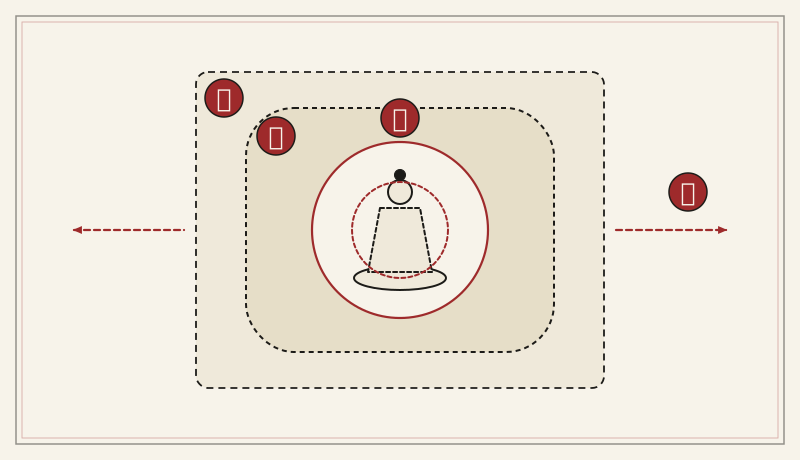
Classical ink-and-cinnabar diagram of Yan Hui's Sitting in Forgetfulness (Zuowang) with four numbered markers (①–④) illustrating the shedding of benevolence and righteousness, rites and music, bodily-mental rigidity, and union with the Great Thoroughfare.

Figure 1: Yan Hui's Threefold Shedding into Sitting in Forgetfulness (Zhuangzi Chapter 6, Da Zongshi) — ① First shedding: forgetting conceptual benevolence and righteousness (Wang Renyi); ② Second shedding: forgetting external rites and music (Wang Liyue); ③ Third shedding: sloughing off limbs and dimming perceptual cleverness (Duo Zhiti, Chu Congming); ④ Merging with the Great Thoroughfare (Tong Yu Datong).

  1. ① Forgetting Benevolence and Righteousness (Wang Renyi 忘仁义): Releasing rigid moralistic judgment and self-righteous comparison.
  2. ② Forgetting Rites and Music (Wang Liyue 忘礼乐): Letting go of mechanical outward ceremony and performative posture.
  3. ③ Sloughing Off Limbs & Dimming Cleverness (Duo Zhiti, Chu Congming 堕肢体·黜聪明): Dissolving bodily tension and calculating sensory busyness.
  4. ④ Merging with the Great Thoroughfare (Tong Yu Datong 同于大通): Entering unobstructed unity with the living flow of the Tao.

3. From Zhuangzi to Sima Chengzhen's Zuowang Lun and Wudang Quiet Sitting

During the Tang dynasty, the eminent Shangqing Taoist patriarch Sima Chengzhen (司马承祯, 647–735) composed the Zuowang Lun (《坐忘论》, Treatise on Sitting in Forgetfulness), preserved in the Daozang, which organized Yan Hui's teaching into a practical seven-stage contemplative path: 1) Respecting and Trusting (Jingxin 敬信); 2) Severing Entanglements (Duanyuan 断缘); 3) Gathering the Heart-Mind (Shouxin 收心); 4) Simplifying Affairs (Jianshi 简事); 5) True Observation (Zhenguan 真观); 6) Deep Stillness (Taiding 泰定); and 7) Attaining the Tao (Dedao 得道).

In the monastic halls of Wudang Mountain and in the quiet-sitting (jingzuo 静坐) instruction shared with students in Singapore, Zuowang bridges philosophical insight with the Three Treasures (Jing, Qi, and Shen) and the Qingjing Jing (Classic of Clarity and Stillness). When the mind stops chasing external objects (chu congming) and the posture settles so naturally that the limbs no longer ache for attention (duo zhiti), vital breath circulates unimpeded through every meridian.

4. How to Practice a Ten-Minute Wudang Zuowang Session

You can experience the three thresholds of Zuowang in a ten-minute evening meditation (or right after your Evening Wind-Down Qigong Routine): 1) Settle the Frame (First 3 Minutes): Sit upright on a firm cushion or wooden chair with the spine naturally lengthening and hands resting softly in the lap. On each exhalation, let the shoulders, elbows, hips, and knees soften until the limbs feel light and forgotten (duo zhiti 堕肢体); 2) Dim Outward Cleverness (Minutes 4–7): Half-close the eyes and turn your listening inward toward the quiet rhythm of Natural Abdominal Breathing (chu congming 黜聪明), letting thoughts of today's tasks pass like clouds without analyzing them.

3) Rest in the Great Thoroughfare (Minutes 8–10): Cease counting breaths and simply rest in open, unhurried awareness (tong yu datong 同于大通), before rubbing the palms warm to close the session (Standing Post Closing and Self-Massage). Traditional Taoist meditation cultivates inner peace and clarity and is never a substitute for clinical medical or psychological care.

Seeker’s Q&A · Frequently Asked Questions

What is the core takeaway of Sitting in Forgetfulness (Zuowang) in the Zhuangzi?

Explore the classical Taoist meditation teaching of Sitting in Forgetfulness (Zuowang) in Zhuangzi Chapter 6 (Da Zongshi) — Yan Hui's three-stage shedding of moralism, ritual formalism, and bodily-mental clinging to merge with the Great Thoroughfare (Tong Yu Datong).