TAOIST PHILOSOPHY · 道家哲学

Undertaking the Difficult While It Is Easy (Tu Nan Yu Qi Yi): Savoring the Flavorless, Starting from the Minute, and Respecting Difficulty in Tao Te Ching Chapter 63 图难于其易,为大于其细:《道德经》第六十三章「味无味、防微杜渐与犹难之」发微

A practitioner-scholar study of Tao Te Ching (Dao De Jing) Chapter 63 and Han Feizi's Yu Lao—exploring acting through non-coercion (Wei Wu Wei), savoring the flavorless (Wei Wu Wei), addressing the difficult while it is still easy (Tu Nan Yu Qi Yi), and why treating practice seriously removes obstacles.

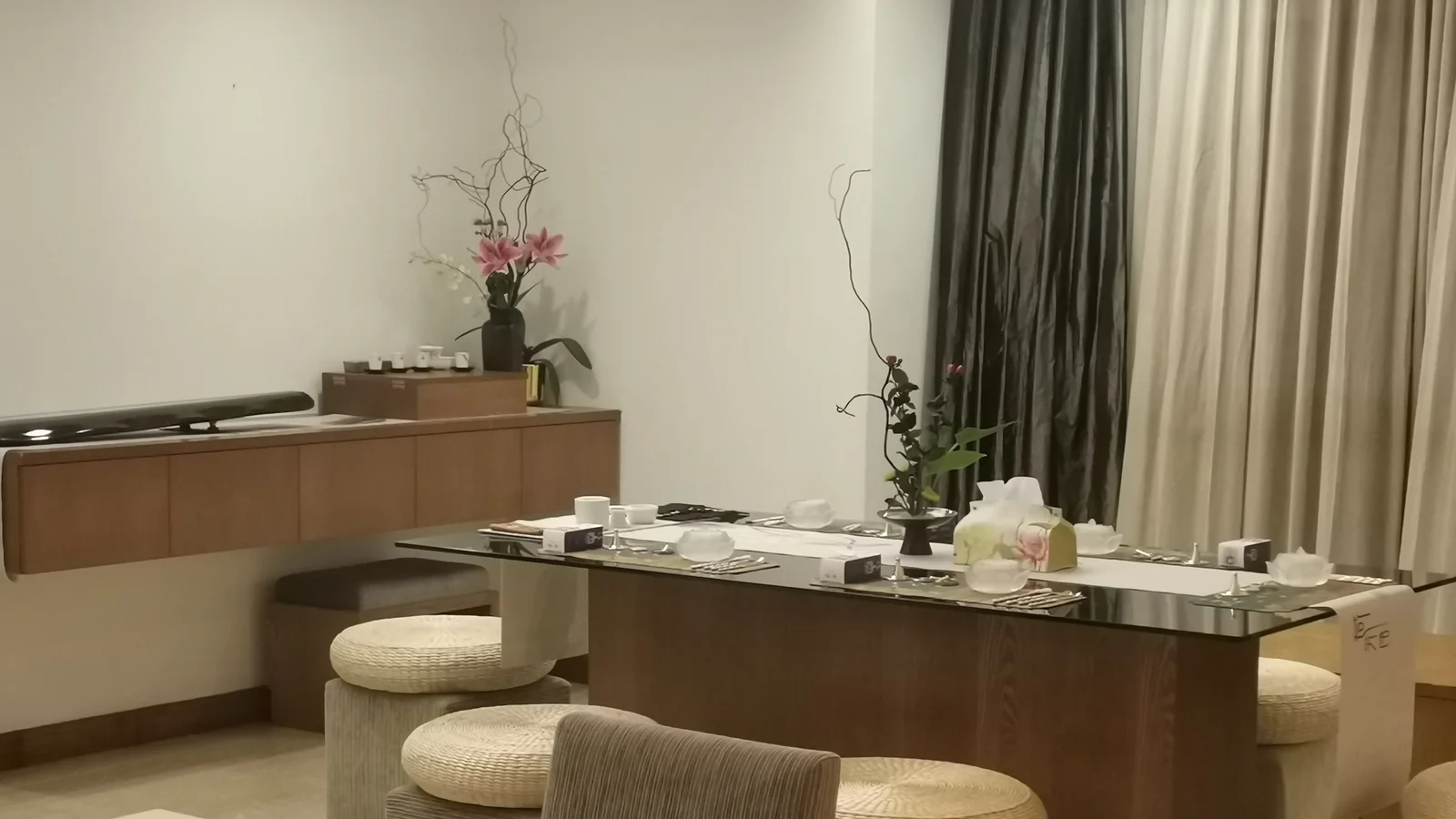
A quiet Taoist study room: a black guqin on a low wooden console beside a pink lily arrangement and tea set, and a dark-glass study table set with white lotus-shaped cups, an incense holder and a floral branch, with straw cushions and a grey curtain.

“Act Without Coercion, Savor the Flavorless” (Wei Wu Wei, Shi Wu Shi, Wei Wu Wei)

Chapter 63 of the Tao Te Ching (Dao De Jing) opens with three compact triads that Play on the double meanings of classical Chinese verbs and nouns: 'Act in non-coercive action, attend to affairs without meddlesome busyness, savor what has no artificial flavor' (为无为,事无事,味无味). In Wang Bi's commentary (老子道德经注), these three phrases describe a life anchored in the quiet root prior to complication. Just as Chapter 35 noted that the Tao spoken from the mouth seems 'bland and without flavor' (淡乎其无味) compared to loud music and rich dainties, Chapter 63 invites the practitioner to develop a palate for the subtle (wei wu wei 味无味)—like tasting pure mountain spring water or feeling the quiet, unspectacular rhythm of natural breathing in Zhan Zhuang (Standing Meditation). A beginner looking for dramatic sensations quickly grows bored with basic standing; a seasoned student savors the quietness itself.

“Plan for the Difficult While It Is Easy, Do the Great While It Is Minute” (Tu Nan Yu Qi Yi, Wei Da Yu Qi Xi)

The heart of Chapter 63 sets forth the law of incremental cultivation: 'Plan for the difficult while it is still easy; accomplish the great while it is still minute. The difficult undertakings of the world must begin where they are easy; the great undertakings of the world must begin where they are minute' (图难于其易,为大于其细。天下难事,必作于易;天下大事,必作于细). In the Han Feizi (Yu Lao 韩非子·喻老), this exact passage is illustrated by two famous accounts: the thousand-fathom river dyke that collapses because a tiny ant-hole was ignored (千丈之堤,以蝼蚁之穴溃;百尺之室,以突隙之烟焚), and the physician Bian Que (扁鹊) warning Cai Huan Gong (蔡桓公) when an imbalance was still only in the skin pores (在腠理). In Wudang Taijiquan, a knee strain or a lost root in Push Hands never appears out of nowhere; it begins as a two-millimeter misalignment of the hip crease (Kua) or a slight holding of the breath. Correcting that tiny deviation while it is easy prevents chronic bad habits.

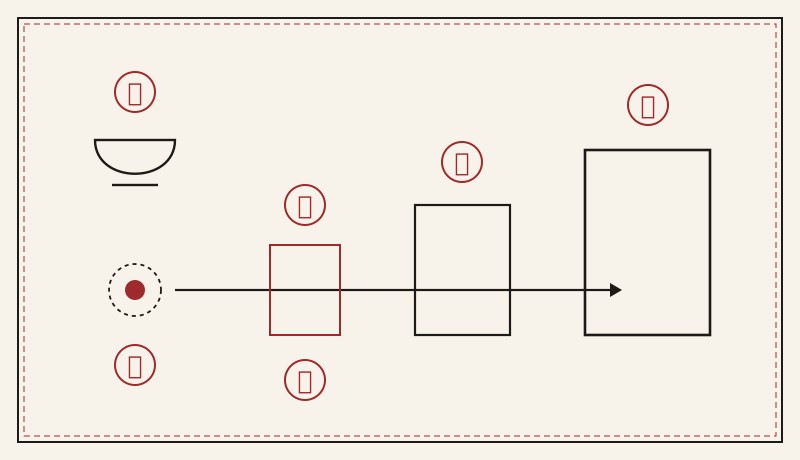
Classical Wudang ink-on-parchment diagram of Tao Te Ching Chapter 63 showing Savoring the Flavorless (①), Addressing the Difficult While Easy (②), Accomplishing the Great Through the Minute (③), The Ant-Hole and Ember Warning from Han Feizi (④), Not Claiming Greatness (⑤), and Careful Respect Ending in Zero Difficulty (⑥).

Key — ① Acting Without Coercion and Savoring the Flavorless (为无为,事无事,味无味); ② Planning for the Difficult While It Is Still Easy (图难于其易); ③ Building the Great Through the Minute Detail (为大于其细); ④ Han Feizi's Parable of Early Detection (扁鹊见微,防微杜渐); ⑤ Never Striving to Appear Great (终不为大,故能成其大); ⑥ Treating Every Step with Care So No Difficulty Remains (犹难之,故终无难矣).

Why the Sage Never Strives to Look Great (Zhong Bu Wei Da, Gu Neng Cheng Qi Da)

Echoing Chapter 34, Laozi observes: 'Therefore the sage to the very end does not strive to be great, and so is able to accomplish greatness' (是以圣人终不为大,故能成其大). When a student tries to perform 'grand' martial postures—dropping into an artificially deep stance before the hips are open, or swinging the sword with theatrical flourish—the foundation hollows out immediately. By staying humble and attending to the small essentials—suspended crown (xuling dingjing), sunk shoulders (chenjian), and quiet weight transfer—depth and power accumulate naturally without ever chasing outward grandeur.

“Light Promises Make Scant Trust; Treating Things as Easy Creates Many Difficulties”

Laozi closes Chapter 63 with a practical warning on attitude: 'Light promises certainly inspire scant trust; taking too many things as easy certainly creates many difficulties. Therefore the sage regards things as difficult, and so to the end encounters no difficulty' (夫轻诺必寡信,多易必多难。是以圣人犹难之,故终无难矣). Notice the calm realism here: treating a posture, a text, or a responsibility with respectful care (you nan zhi 犹难之) is not anxiety—it is attentiveness. Because the attentive practitioner respects every transition and never rushes carelessly through the basics, obstacles dissolve before they can harden. Safety note: In your practice today, choose just one simple movement—such as your opening Wuji alignment or a single weight shift—and give it your complete, unhurried care as if it were the whole art.

Seeker’s Q&A · Frequently Asked Questions

How does Undertaking the Difficult While It Is Easy (Tu Nan Yu Qi Yi) guide daily Wudang cultivation?

A practitioner-scholar study of Tao Te Ching (Dao De Jing) Chapter 63 and Han Feizi's Yu Lao—exploring acting through non-coercion (Wei Wu Wei), savoring the flavorless (Wei Wu Wei), addressing the difficult while it is still easy (Tu Nan Yu Qi Yi), and why treating practice seriously removes obstacles.
