TAOIST PHILOSOPHY · 道家哲学

Reversal and Return: Why Extremes Turn Into Their Opposite 反者道之动:物极必反与归根复命

Understanding the two meanings of Fan (反) in Tao Te Ching Chapters 16, 25 and 40: cyclical turning and returning to the root.

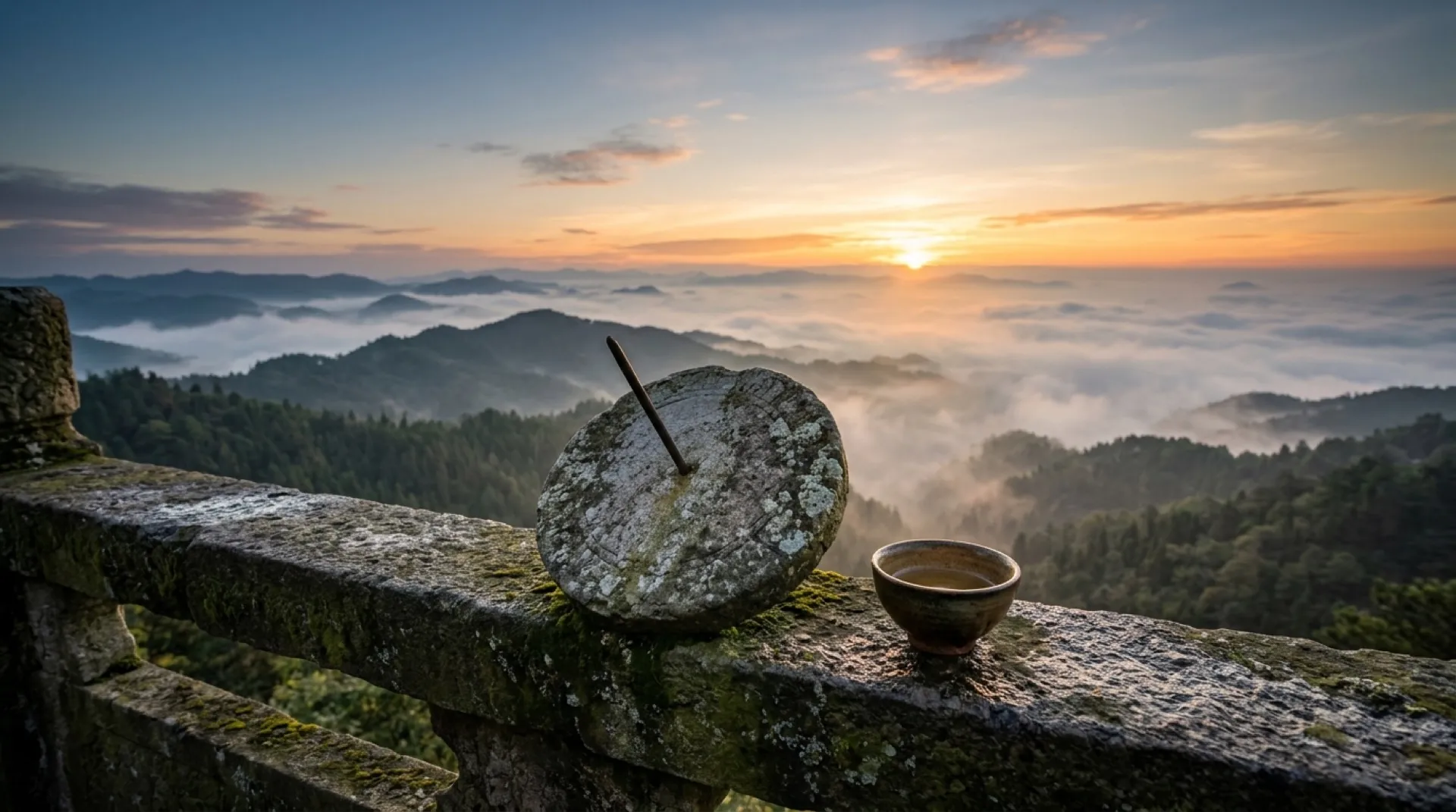
A weathered stone sundial and a small bronze bowl on a mossy stone balustrade as the sun rises over misty ridges.

In four compact characters in Chapter 40 of the Tao Te Ching, Laozi states the fundamental law of change in Taoist philosophy: “Reversal is the movement of the Tao” (反者道之动, fan zhe dao zhi dong). Where ordinary ambition imagines progress as a straight line climbing forever upward, Taoist thought observes that everything living moves in cycles, arcs, and returns.

1. The Two Meanings of “Fan” (反)

In Classical Chinese philosophy, the character Fan (反) carries two closely connected meanings, and Laozi uses both:

  1. Turning Into the Opposite (相反 · Inversion at the Extreme): Whenever a quality is pushed to its maximum limit, it begins to turn into its opposite. Noon is the moment shadows begin to lengthen; the fullest moon is the night waning begins; a bow stretched past its limit snaps; an organization or schedule driven at maximum tension fractures.
  2. Returning to the Root (复返 · Coming Back to the Source): As Chapter 16 and Chapter 25 explain, all things flourish and then “each returns to its root; returning to the root is called stillness” (各复归其根,归根曰静). Breath goes out and must return inward; activity expends vitality and must return to rest.

2. Shared Wisdom with the Book of Changes (I Ching)

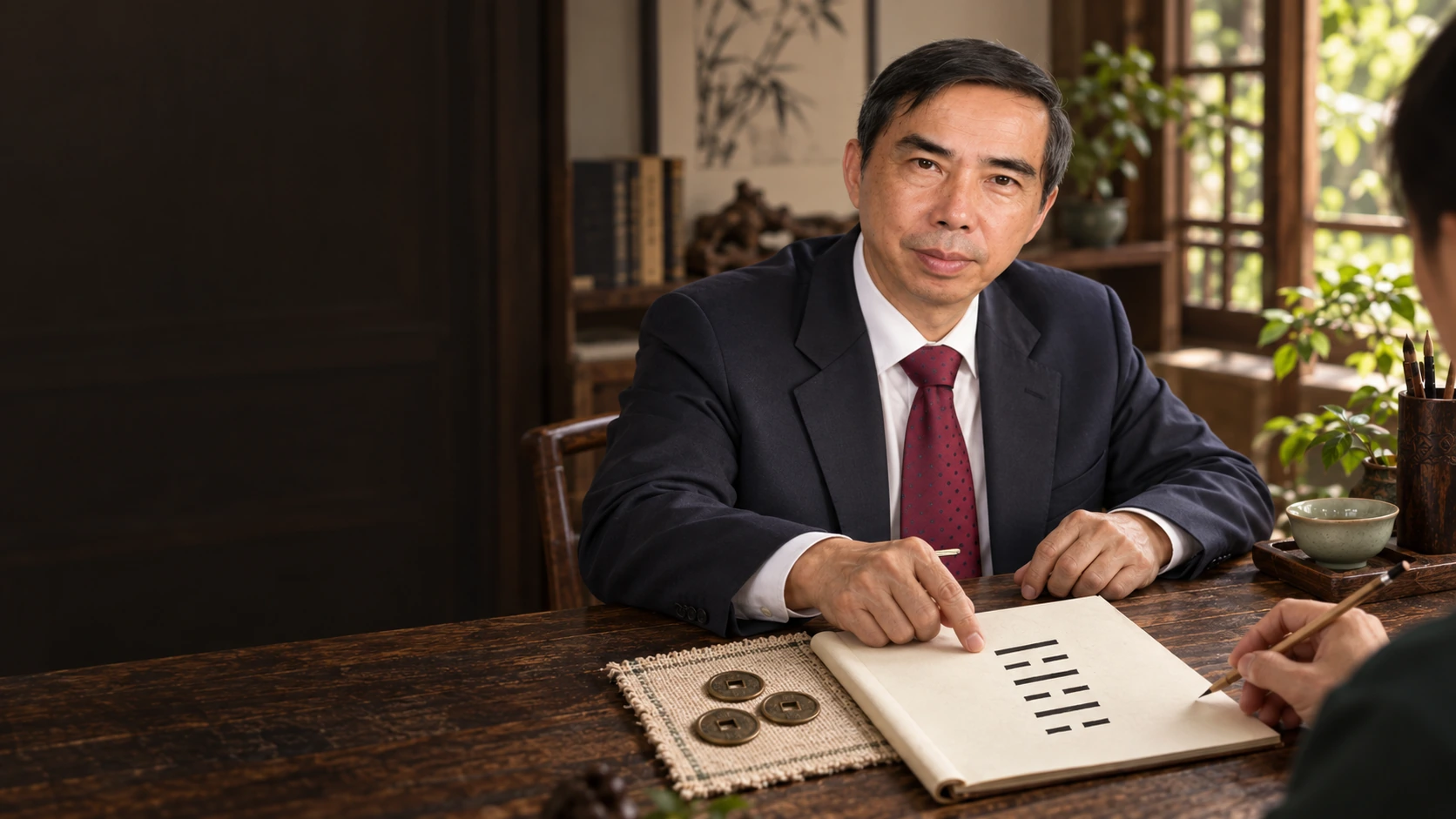
This principle connects the Tao Te Ching directly to the I Ching (Book of Changes). Look at two pivotal hexagrams in the sixty-four-hexagram sequence:

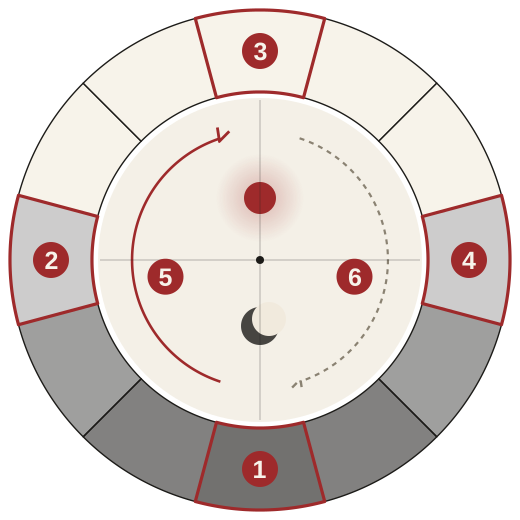
Wheel diagram showing the cyclical waxing and waning of Yin and Yang across the day
Whether across the twelve two-hour periods of the day or the twenty-four solar terms of the year, vitality endures by honouring the arc of expansion and return.

3. Practical Implications: How to Work With the Arc of Change

Understanding Fan zhe dao zhi dong changes how we handle both success and difficulty:

  • Stop Before theBrittle Extreme: As Chapter 9 warns, “To hold and fill a vessel to the brim is not as good as stopping in time.” Leaving 10–20% reserve in your energy, budget, and speech prevents a good thing from tipping into its opposite.
  • Do Not Despair in Low Seasons: When conditions feel contracted or wintry, remember Hexagram 24 (Fu): conservation and quiet preparation during the trough are already the seed of the next upward turn.
  • Build Daily Return Into Your Routine: A sustainable life pairs outward focus (Yang) with deliberate daily return to quiet breath, standing or sitting stillness (Yin)—what Laozi calls “returning to the root to renew life” (归根曰静,是谓复命).

Seeker’s Q&A · Frequently Asked Questions

What are the two meanings of “Fan” in “Reversal is the movement of the Tao” (Chapter 40)?

First, inversion (相反): anything pushed to an extreme turns toward its opposite. Second, return (复返): all living processes must periodically return to their quiet root (归根曰静) to renew vitality.