TAOIST PHILOSOPHY · 道家哲学

De (Virtue and Inner Potency): How the Unseen Tao Takes Living Shape in Character and Practice 道生之,德畜之:读懂《道德经》里的“德”与内在生命力

Why the Tao Te Ching has two words in its title—and how Chapters 10, 21, 28, 38, 51, and 55 distinguish unselfconscious inner integrity (Shang De) from performative moralizing.

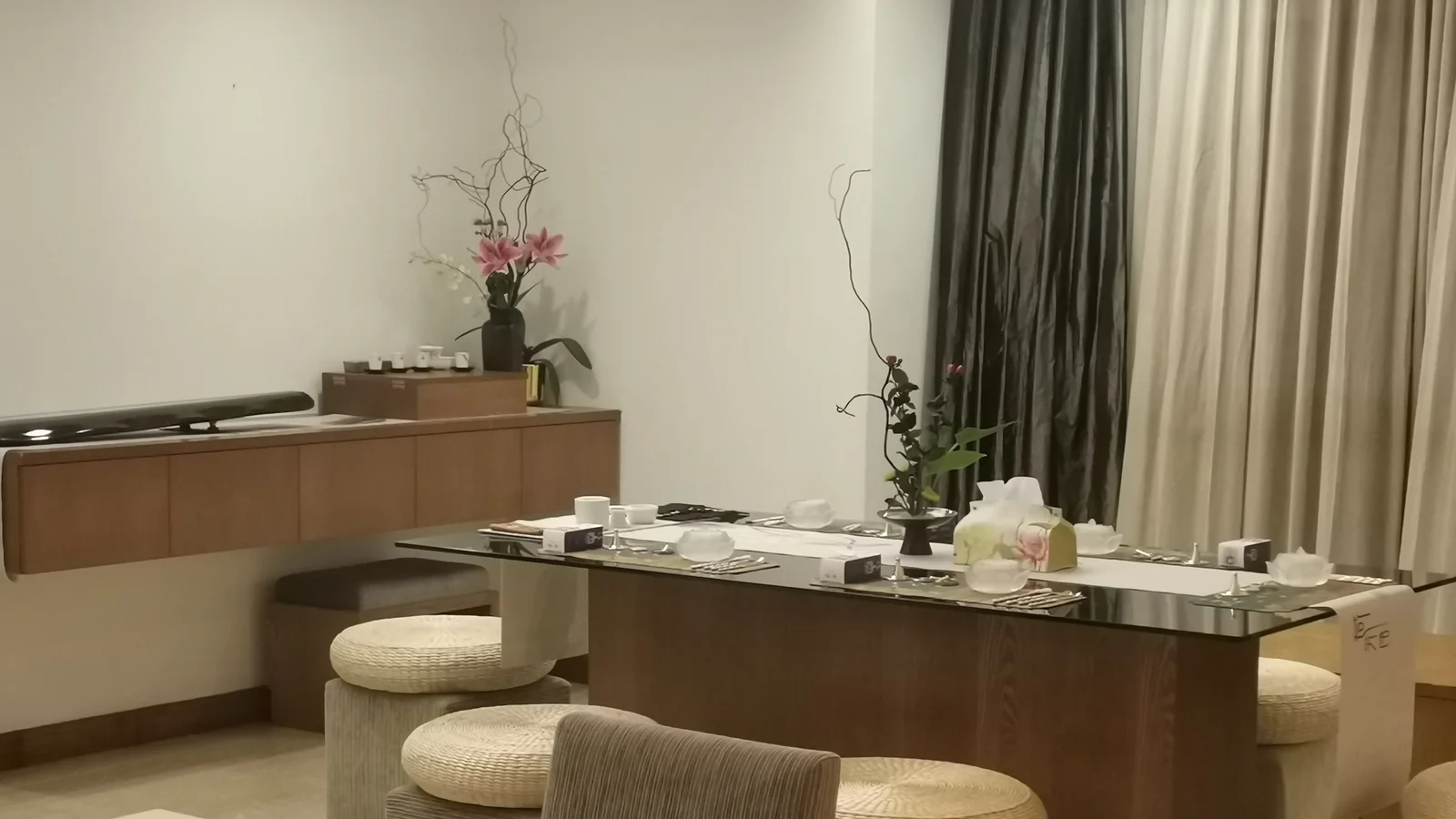
A quiet Taoist study room: a black guqin on a low wooden console beside a pink lily arrangement and tea set, and a dark-glass study table set with white lotus-shaped cups, an incense holder and a floral branch, with straw cushions and a grey curtain.

Every reader of the Tao Te Ching (Dao De Jing) notices that its traditional title joins two words: Tao (道, the Way) and De (德, Virtue or Inner Potency). In received editions, Chapters 1–37 open with the Way (“The Tao that can be spoken…”) and are traditionally called the Dao Jing, while Chapters 38–81 open with Virtue (“Highest De does not posture as De…”) and are called the De Jing. Yet beginners often ask: if the Tao is already the source of all things, why does Laozi need a second word—De—at all?

1. “Tao Gives Birth to Them; De Nourishes Them” (道生之,德畜之)

In Classical Chinese, long before De (德) narrowed to mean polite rule-following, it was closely linked to its homophone de (得, “to attain, to hold within”). As the classical gloss puts it: “De is what a living being attains from the Tao to become itself” (德者,得也). The universal, nameless Tao of Chapter 1 cannot be grabbed with the hand; De is how that unseen source actually lives, breathes, and acts inside a particular tree, a mountain stream, or a human person.

In Chapter 51, Laozi describes their partnership with biological precision:

“The Tao gives them birth; De nourishes them (道生之,德畜之); matter gives them form; circumstances bring them to maturity. Therefore among the ten thousand things, none fails to revere the Tao and honour De—not because of a command from outside, but because it is always naturally so (夫莫之命而常自然).”

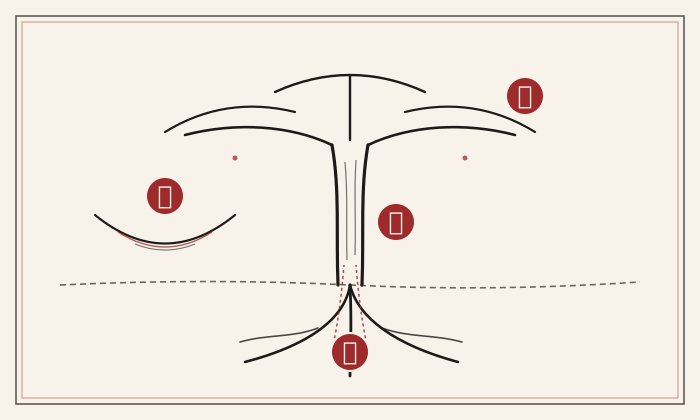
Classical ink-and-cinnabar diagram of Tao and De showing unseen roots drawing nourishment in the earth, rising sap in the trunk, an open valley basin beside the root, and a sheltering pine canopy

How unseen Tao and embodied De work together in Chapters 21, 38, 41, and 51 of the Tao Te Ching.

  1. The unseen root in the quiet earth (道生之 · 深根固柢): the nameless source from which vitality arises
  2. Rising sap and upright trunk (德畜之 · 孔德之容): how a living being holds and circulates what it receives from the Tao
  3. The open valley basin (上德若谷): receptivity and humility that never boast or overflow
  4. The sheltering canopy (生而不有,为而不恃): nourishing others naturally without claiming ownership or domination

2. Why “Highest De Does Not Posture as De” (上德不德,是以有德)

When Chapter 38 opens the second half of the book, Laozi draws a sharp contrast between two ways people practise “virtue”:

  • Highest De (上德): Acts from deep, unforced wholeness (Wu Wei) without looking in the mirror to admire its own goodness. Like a healthy heart beating or a mountain spring watering the valley, it nourishes because that is its nature, so its integrity remains whole (上德不德,是以有德).
  • Anxious, Performative Morality (下德执德): Clings self-consciously to rules in order to be seen, praised, or rewarded. Whenever virtue turns into a badge of superiority, it hardens into the very rigid bias critiqued in Zhuangzi’s Qiwu Lun.

To keep De from sounding abstract, Chapter 28 and Chapter 41 give us three concrete images for how genuine De feels in a room: it is like a mountain valley (上德若谷) that has room for everyone; like uncarved wood (常德乃足,复归于朴) that has not been whittled into flashy ornaments; and like someone who “wears coarse cloth outside while holding jade within” (被褐怀玉, Chapter 70).

3. “Gathering De” (积德) in Breath, Posture, and Martial Ethics

In Wudang cultivation, De is simultaneously physical and ethical:

  1. Vital Potency in the Body (含德之厚, Chapter 55 & Chapter 59): When you conserve breath and energy early rather than burning yourself out—“early moderation is called gathering double De” (早服谓之重积德)—your tendons stay supple and your spirit stays settled (Softness and Vitality).
  2. Receptive Balance in Wudang Push Hands (Tuishou): In partner training, “having De” means never using a training drill to humiliate or injure a classmate. You receive incoming force like a valley (Tingjin), neutralizing stiffness without ego.
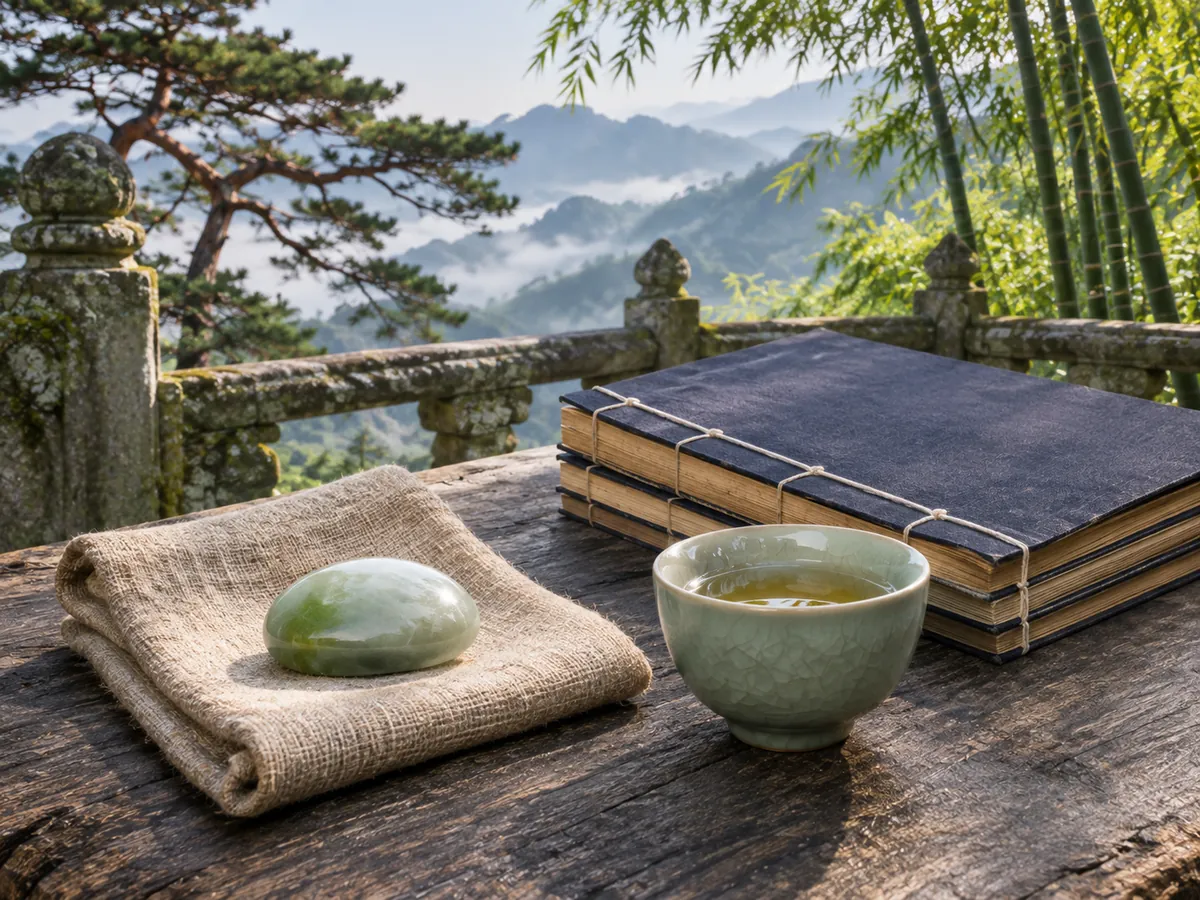
A smooth uncarved celadon-green nephrite jade pebble resting on coarse undyed hemp cloth beside blank blue thread-bound classical books and a celadon tea bowl on a mountain veranda.

“Wearing coarse cloth outside while holding jade within” (Tao Te Ching Chapter 70): uncarved inner integrity (De) needs no outward display.

4. Practising Quiet Integrity Between Wudang Mountain and Singapore

Whether you read the classics among the UNESCO World Heritage ancient Taoist temples of Wudang Mountain or train after work at our Singapore centre, you can test your understanding of De today with one simple habit: do one helpful, attentive action—and practise ten quiet minutes of Zhan Zhuang or Qigong—without announcing it or seeking credit (“producing without possessing, acting without presuming,” 生而不有,为而不恃, Chapter 10). Newcomers can explore all study paths on Start Here.

Seeker’s Q&A · Frequently Asked Questions

Why is the Tao Te Ching divided into the Dao Jing and the De Jing?

In received editions, Chapters 1–37 open with the unseen cosmic Way (Tao, “The Tao that can be spoken…”) while Chapters 38–81 open with how that Way is embodied as living integrity and potency in human conduct and society (De, “Highest De does not posture as De…”). Together they show that philosophical principle (Tao) and lived cultivation (De) are inseparable.


What does “Highest De does not posture as De” (上德不德,是以有德) mean in Chapter 38?

It means genuine virtue acts naturally and wholeheartedly without self-conscious display, moral superiority, or expectation of reward—just as water nourishes plants without claiming credit.

How does De (德) relate to physical vitality and martial arts training in Wudang tradition?

In Chapters 55 and 59 of the Tao Te Ching, holding deep De (含德之厚) and gathering De early (早服谓之重积德) describe conserving vital breath and suppleness rather than exhausting the body; in partner training, martial virtue (Wude) means using sensitivity and restraint to support mutual learning rather than ego-driven force.
