TAOIST PHILOSOPHY · 道家哲学

The Mysterious Sanctuary of the Ten Thousand Things (Wanwu Zhi Ao 万物之奥): Sitting Still and Advancing in the Tao in Tao Te Ching Chapter 62 万物之奥与坐进此道:《道德经》第六十二章中的内在藏所与静修之贵

How Dao Zhe Wan Wu Zhi Ao (道者万物之奥) and Zuo Jin Ci Dao (坐进此道) illuminate inward refuge, inclusive grace, and quiet sitting in Wudang cultivation

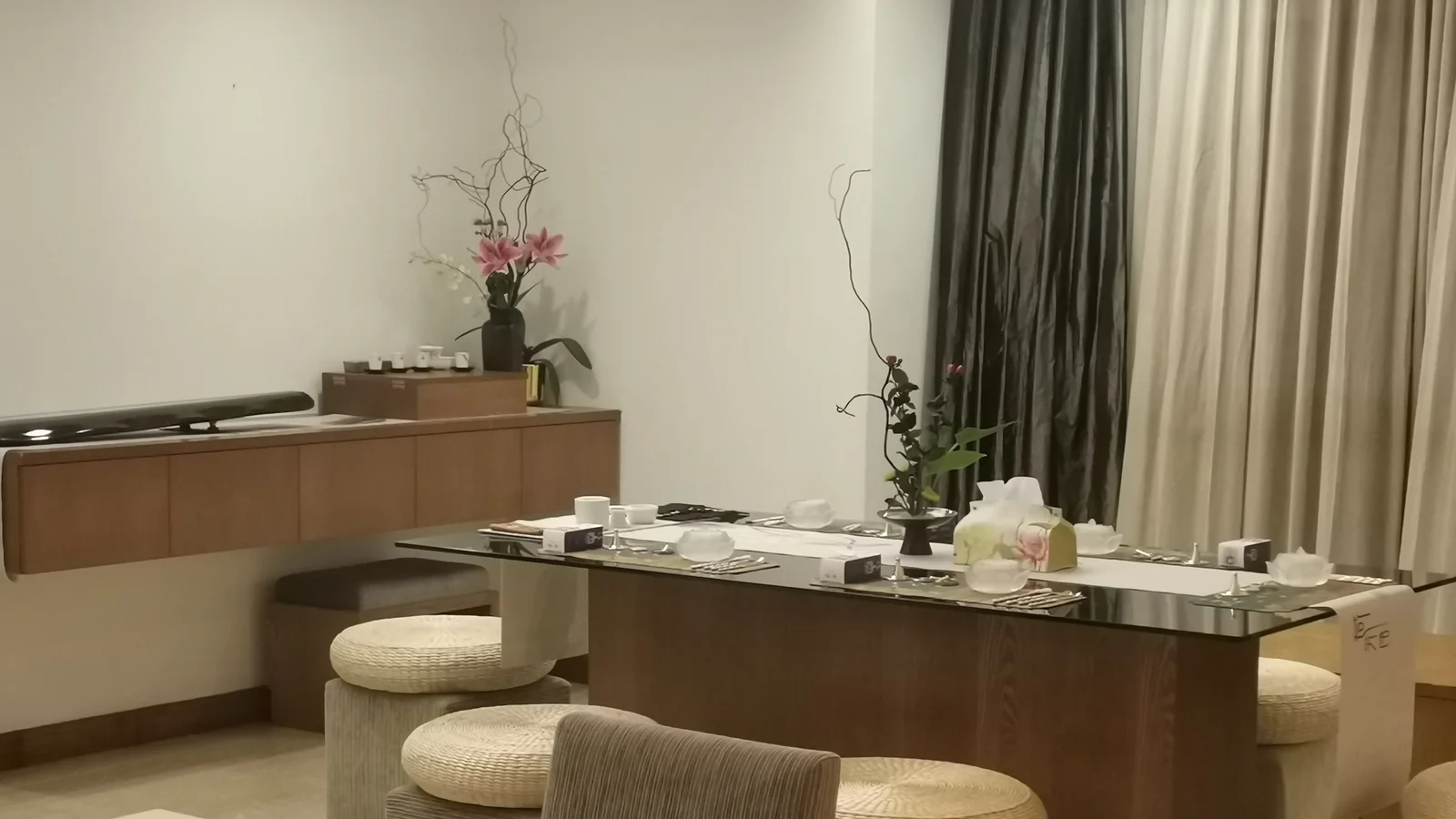
A quiet Taoist study room: a black guqin on a low wooden console beside a pink lily arrangement and tea set, and a dark-glass study table set with white lotus-shaped cups, an incense holder and a floral branch, with straw cushions and a grey curtain.

In the sixty-second chapter of the Tao Te Ching (Dao De Jing), Laozi turns from the hydrological basin of Chapter 61 to an architectural image of intimate shelter: Dao zhe wanwu zhi ao, shanren zhi bao, bushanren zhi suo bao (道者万物之奥,善人之宝,不善人之所保) — "The Tao is the mysterious inner sanctuary of the ten thousand things: the treasure of the good person, and that by which the person who is not yet good is sheltered and preserved." In classical Chinese architecture, Ao (奥) designates the deep, quiet southwestern corner of a hall — the warmest, most protected recess furthest from the drafty threshold, where household tablets and precious things were kept safe.

1. Classical Text and Meaning of Wanwu Zhi Ao (万物之奥)

Both the received Wang Bi edition and the Mawangdui silk manuscripts preserve Chapter 62's contrast between outward ceremonial display and inward return:

道者万物之奥。善人之宝,不善人之所保。
美言可以市尊,美行可以加人。
人之不善,何弃之有?
故立天子,置三公,虽有拱璧以先驷马,不如坐进此道。
古之所以贵此道者何?不曰:求以得,有罪以免邪?故为天下贵。

"The Tao is the inner sanctuary of the ten thousand things: the treasure of the good, and the refuge of those who are not good.
Fine words can win public honour; fine deeds can raise one above others.
Yet even when a person is not yet good, why would the Tao ever cast them aside?
Therefore, at the enthronement of the Son of Heaven and the installation of the Three Dukes, though one presents large discs of jade before a team of four horses, it cannot compare with sitting still and advancing in this Tao.
Why did the ancients prize this Tao so highly? Did they not say: 'By seeking within it, one attains; by returning to it, one's errors are released'? Therefore it is the most precious thing under heaven."

Wang Bi notes that Ao (奥) means a sheltered interior where beings may enter and rest (ke yin zhi shi 可隐之室). Whereas worldly status distinguishes winners from losers, the Tao itself remains an open sanctuary: those who cultivate clarity cherish it as a treasure (Bao 宝), while those who have lost their way can still return to it for protection and renewal (Suo Bao 所保).

2. Zuo Jin Ci Dao (坐进此道): Why Quiet Sitting Surpasses Jade and Horses

In ancient court ritual, presenting a two-handed jade disc (Gong Bi 拱璧) ahead of a four-horse team (Si Ma 驷马) was the highest outward tribute one could offer. Yet Laozi declares that all such external pageantry "cannot compare with sitting still and advancing in this Tao" (bu ru zuo jin ci dao 不如坐进此道).

  • Returning to the Inner Sanctuary (Cang Shen Yu Ao 藏神于奥): In Wudang Zuowang (Sitting in Forgetfulness) and Neiguan (Inner Observation), "sitting and advancing" means turning sensory attention back from external display into the quiet central chamber of the heart-mind and lower Dantian.
  • Seeking Within Rather Than Outside (Qiu Yi De 求以得): Unlike external prizes that require competition, the calm of the inner sanctuary is discovered the moment agitation ceases (Qingjing Jing).
  • Releasing Excess Tension (You Zui Yi Mian 有罪以免): In daily life as in Wudang Taijiquan, when a posture or decision goes off balance, one does not compound the error with stiffness; returning to the centered axis immediately restores equilibrium.
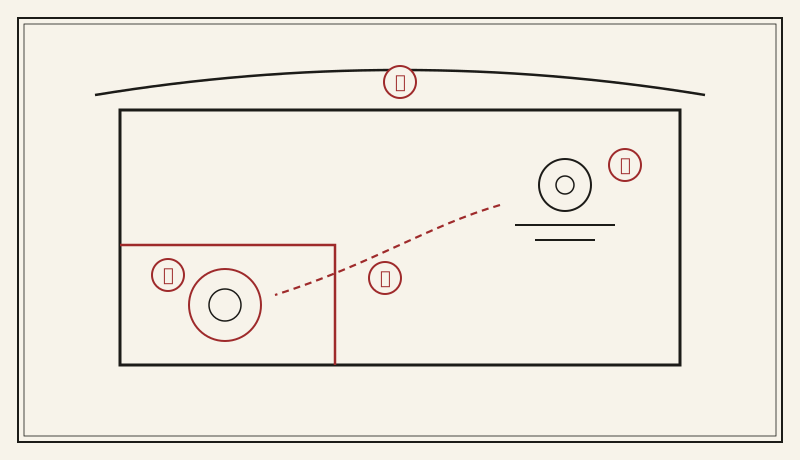
Classical Wudang ink-on-parchment diagram with numbered markers 1 to 4 illustrating the inner sanctuary corner Ao, outer ceremonial gifts versus sitting still in the Tao, and universal shelter.

Figure 1: Architectural and contemplative structure of Tao Te Ching Chapter 62 — ① The inner sanctuary corner (Wanwu Zhi Ao 万物之奥), the warm sheltered southwest hearth of a classical hall; ② Outer ceremonial offerings of jade discs and four-horse chariots (Gong Bi Yi Xian Si Ma 拱璧以先驷马); ③ Sitting still and advancing inwardly in the Tao (Zuo Jin Ci Dao 坐进此道); ④ Inclusive shelter that abandons no person (Ren Zhi Bu Shan He Qi Zhi You 人之不善何弃之有).

3. Continued Study Across the Wudang Classics

To deepen your reading of Chapter 62, explore the full Tao Te Ching Reader, compare Chapter 61 in A Great State as the Lower Stream, study the inner landscape in the Huangting Jing, and establish your daily standing and sitting foundation via Zhan Zhuang for Beginners and Start Here.

Seeker’s Q&A · Frequently Asked Questions

How does The Mysterious Sanctuary of the Ten Thousand Things (Wanwu Zhi Ao 万物之奥) guide daily Wudang cultivation?

How Dao Zhe Wan Wu Zhi Ao (道者万物之奥) and Zuo Jin Ci Dao (坐进此道) illuminate inward refuge, inclusive grace, and quiet sitting in Wudang cultivation.