TAOIST PHILOSOPHY · 道家哲学

The Skilled Warrior Is Not Wrathful (Shan Zhan Zhe Bu Nu): The Virtue of Non-Contention and Borrowing Force in Tao Te Ching Chapter 68 善战者不怒,用人之力:《道德经》第六十八章「不争之德与太极借力之源」发微

A practitioner-scholar study of Tao Te Ching (Dao De Jing) Chapter 68—exploring why the finest warrior does not bluster (Shan Wei Shi Zhe Bu Wu), why the skilled fighter is never wrathful (Shan Zhan Zhe Bu Nu), how refusing head-on collision unlocks borrowing force (Yong Ren Zhi Li), and how this chapter anchors Wudang internal martial arts.

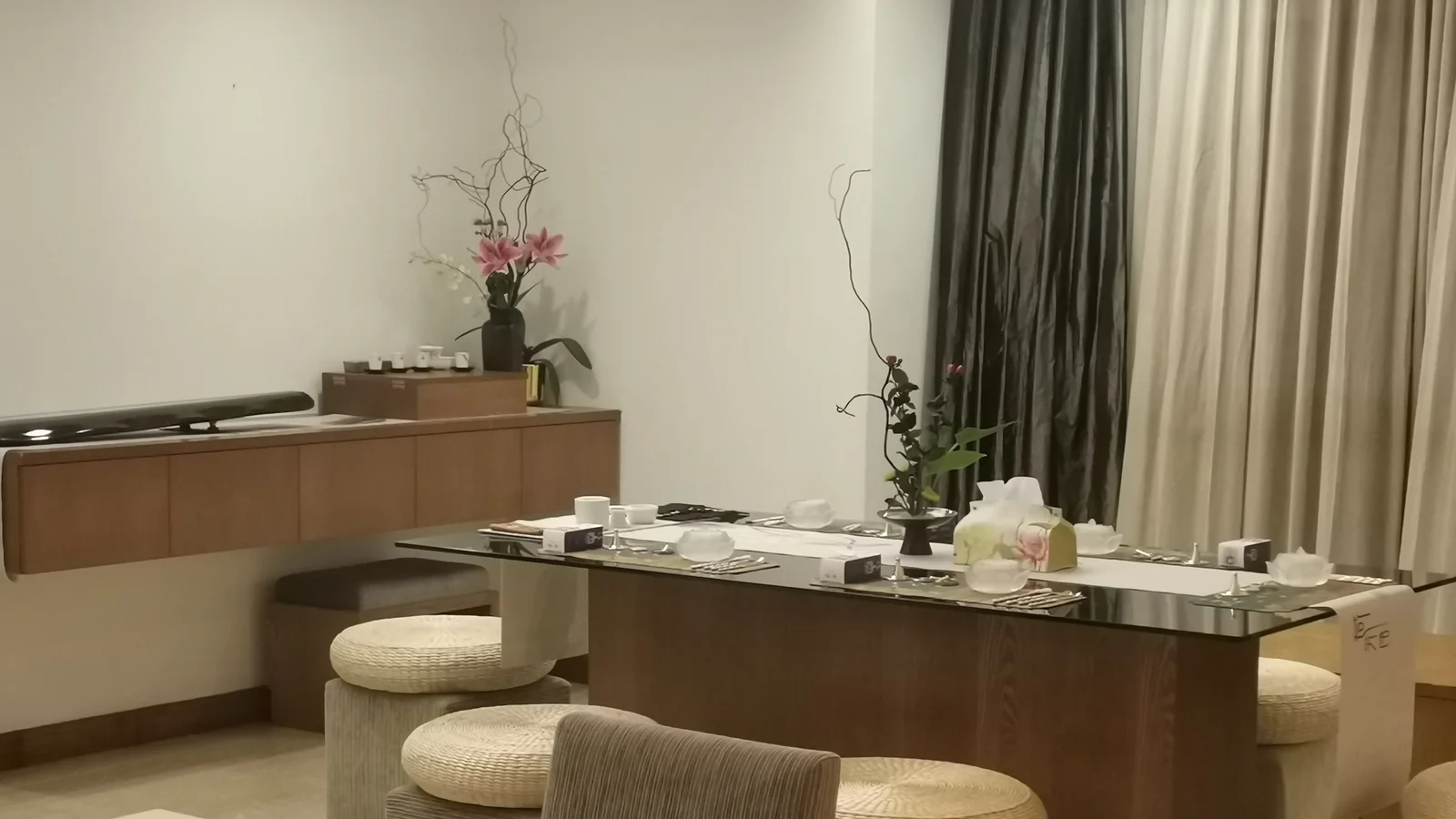
A quiet Taoist study room: a black guqin on a low wooden console beside a pink lily arrangement and tea set, and a dark-glass study table set with white lotus-shaped cups, an incense holder and a floral branch, with straw cushions and a grey curtain.

“One Skilled as a Warrior Is Not Bellicose; One Skilled in Battle Is Not Wrathful” (Shan Wei Shi Zhe Bu Wu, Shan Zhan Zhe Bu Nu)

Chapter 68 of the Tao Te Ching (Dao De Jing) is only forty characters long, yet it stands as the philosophical cornerstone of Wudang internal martial arts (Neijiaquan 内家拳). It opens with two four-character portraits: 'One who excels as a warrior does not display martial bluster; one who excels in battle does not become wrathful' (善为士者不武,善战者不怒). Why does anger (nu 怒) ruin martial skill? In both Taoist physiology and Wudang Tuishou (Push Hands), anger causes qi to surge upward into the chest, neck, and shoulders (怒则气上, Huangdi Neijing Suwen Chapter 39). The moment a practitioner gets frustrated or angry, the jaw clenches, the elbows float, the feet lose their root, and tactile listening energy (tingjin 听劲) goes blind. The skilled practitioner remains as calm as still water (善战者不怒), perceiving every shift of weight before it fully develops.

“Overcoming Without Engaging Head-On” (Shan Sheng Di Zhe Bu Yu): The Root of Yielding

Laozi's third line goes straight to the mechanics of interaction: 'One who excels in overcoming an opponent does not collide with them (bu yu 不与); one who excels in employing others places oneself below them (wei zhi xia 为之下)' (善胜敌者不与,善用人者为之下). In Wang Bi's commentary (老子道德经注), bu yu (不与—literally 'not joining in opposition' or 'not wrestling head-on') means refusing to meet incoming force at its point of hardness. When Huang Zongxi wrote his 1669 Epitaph for Wang Zhengnan (王征南墓志铭), distinguishing Wudang internal boxing from external styles, he described this exact dynamic: whereas external methods seek to strike and clash with another, the internal school uses stillness to govern movement (以静制动). By refusing to give the opponent a rigid target to push against (不与), their committed force falls into emptiness.

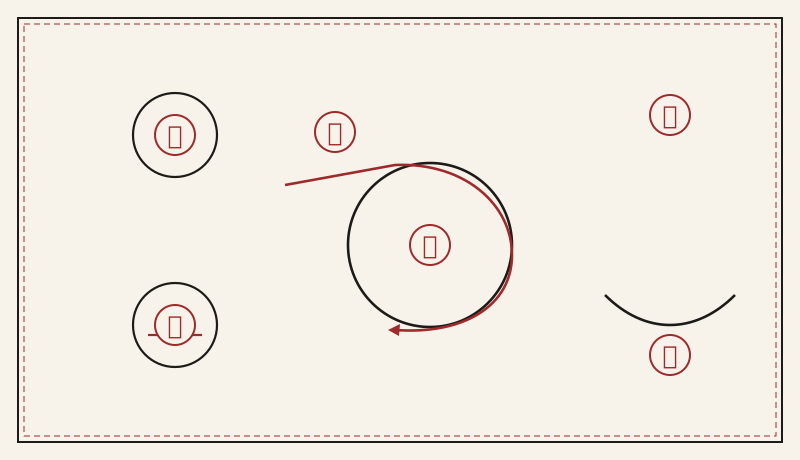
Classical Wudang ink-on-parchment diagram of Tao Te Ching Chapter 68 showing Unblustering Presence Bu Wu (①), Unruffled Breath Without Anger Bu Nu (②), Yielding Without Head-On Collision Bu Yu (③), Taking the Lower Pivot Wei Zhi Xia (④), Employing the Incoming Force Yong Ren Zhi Li (⑤), and Matching the Ancient Pole of Heaven Pei Tian Gu Zhi Ji (⑥).

Key — ① Skilled Warrior Without Bellicose Display (善为士者不武); ② Skilled Fighter Free of Anger (善战者不怒, breath settled in Dantian); ③ Overcoming Without Head-On Clash (善胜敌者不与, tangent deflection); ④ Placing Oneself Below (善用人者为之下); ⑤ The Virtue of Non-Contention Employing Another's Force (不争之德,用人之力); ⑥ Matching the Ancient Standard of Heaven (是谓配天,古之极).

“The Virtue of Non-Contention and Using the Strength of Others” (Bu Zheng Zhi De, Yong Ren Zhi Li)

The second half of Chapter 68 names the principle explicitly: 'This is called the Virtue of Non-Contention (bu zheng zhi de); this is called using the strength of others (yong ren zhi li); this is called matching Heaven, the ancient pole (pei tian, gu zhi ji)' (是谓不争之德,是谓用人之力,是谓配天,古之极). Notice the remarkable pairing: bu zheng zhi de (the Virtue of Non-Contention) is immediately equated with yong ren zhi li (employing the strength of others). In Wudang Taijiquan, what later manuals call 'borrowing force' (jieli 借力) or 'four ounces deflecting a thousand pounds' (siliang bo qianjin 四两拨千斤) is nothing other than Laozi's yong ren zhi li. Because you do not contend with egoic stiffness, you are free to harmonize with and redirect the momentum already present in the situation.

Practicing “Bu Nu” (Non-Anger) in Solo Training and Daily Conversation

You do not need a sparring partner to train Chapter 68; you can practice shan zhan zhe bu nu (善战者不怒) every time a difficult posture wobbles or a daily conversation turns tense. When beginners lose balance on one leg or forget a sequence, they often frown, sigh sharply, and muscle through the next movement—fighting themselves in miniature. Instead, treat every wobble or sharp remark with bu yu (不与): do not collide with it mentally. Safety note: Whenever you feel impatience or irritation rising during practice or work today, pause for one slow nasal exhale, soften the muscles around your eyes and temples, and let your attention drop from the head back down to the soles of your feet.

Seeker’s Q&A · Frequently Asked Questions

How does The Skilled Warrior Is Not Wrathful (Shan Zhan Zhe Bu Nu) guide daily Wudang cultivation?

A practitioner-scholar study of Tao Te Ching (Dao De Jing) Chapter 68—exploring why the finest warrior does not bluster (Shan Wei Shi Zhe Bu Wu), why the skilled fighter is never wrathful (Shan Zhan Zhe Bu Nu), how refusing head-on collision unlocks borrowing force (Yong Ren Zhi Li), and how this chapter anchors Wudang internal martial arts.
