TAOIST PHILOSOPHY · 道家哲学

Usurping the Master Carpenter’s Axe (代大匠斲,希有不伤其手): Reverence for Natural Order and Non-Usurpation in Tao Te Ching Chapter 74 夫代大匠斲者,希有不伤其手矣:《道德经》第七十四章的敬畏天道与武当戒除强为哲学

Why attempting to replace the impartial work of the Tao with personal force is like an unskilled novice swinging the Master Carpenter’s adze—and how Wudang practice avoids injuring its own hands.

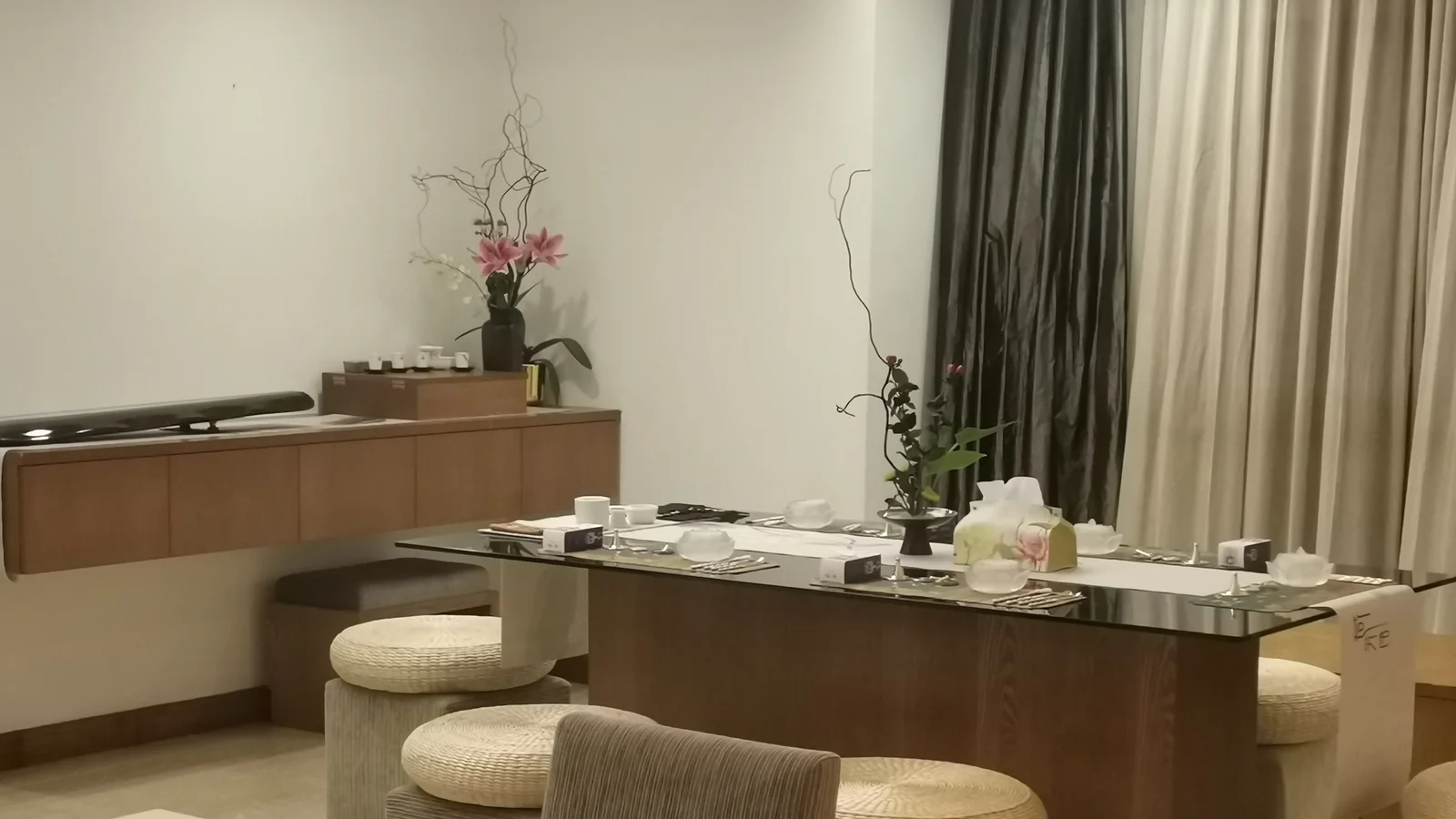
A quiet Taoist study room: a black guqin on a low wooden console beside a pink lily arrangement and tea set, and a dark-glass study table set with white lotus-shaped cups, an incense holder and a floral branch, with straw cushions and a grey curtain.

1. Classical Text and the Parable of the Master Carpenter (Da Jiang 大匠)

Chapter 74 of the Tao Te Ching (Dao De Jing) stands directly between Chapter 73 (Courage in Not Daring and Heaven's Vast Net — Tian Wang Hui Hui) and Chapter 75 (Acting Without Obsessive Attachment to Living — Wu Yi Sheng Wei). Together with Chapter 72 (Do Not Cramp Their Dwelling), these four chapters examine what happens when human rulers—or the human ego—overstep natural law:

民不畏死,奈何以死惧之?
若使民常畏死,而为奇者,吾得执而杀之,孰敢?
常有司杀者杀。
夫代司杀者杀,是谓代大匠斲。
夫代大匠斲者,希有不伤其手矣。

"When the people do not fear death, how can one frighten them with death?
Even if one could make the people constantly fear death, and seize and execute those who act deviously (wei qi zhe 为奇者), who would dare?
There is always the Great Arbiter of Life and Death (si sha zhe 司杀者) who executes natural consequence.
To usurp the role of the Great Arbiter is what is called hewing timber in place of the Master Carpenter (dai da jiang zhuo 代大匠斲).
And whoever hews timber in place of the Master Carpenter rarely fails to injure their own hands (xi you bu shang qi shou yi 希有不伤其手矣)."

Three classical insights from Heshang Gong (河上公), Wang Bi (王弼, 226–249 CE), and Su Zhe (苏辙, 1039–1112 CE) illuminate this passage:

  1. Why Fear Fails When Life Is Cramped (Min Bu Wei Si 民不畏死): As Chapters 72 and 75 explain, when people's dwellings are cramped and their livelihood is taxed to starvation, death no longer terrifies them; adding harsher punishments only multiplies rebellion.
  2. The Impartial Arbiter (Chang You Si Sha Zhe 常有司杀者): In Heshang Gong's and Su Zhe's readings, Si Sha Zhe (司杀者) is the impartial order of Heaven and the four seasons—the same vast, unhurried net of Chapter 73 (Tian Wang Hui Hui, Shu Er Bu Shi). Just as autumn frost naturally withers what is overripe without personal malice, natural law brings every overextended force to its own conclusion.
  3. Hewing in Place of the Master Carpenter (Dai Da Jiang Zhuo 代大匠斲): Zhuo (斲) means to hew, plane, or shape timber with a sharp adze or axe. The Master Carpenter (Da Jiang 大匠)—an image that also appears in Zhuangzi's stories of Wheelwright Bian and Cook Ding—reads the natural grain (Tian Li 天理) of the wood with effortless precision. When an impatient, untrained bystander snatches the Master Carpenter's razor-sharp axe to hack at the timber by brute force, they ruin the beam and gash their own hands (Shang Qi Shou 伤其手).
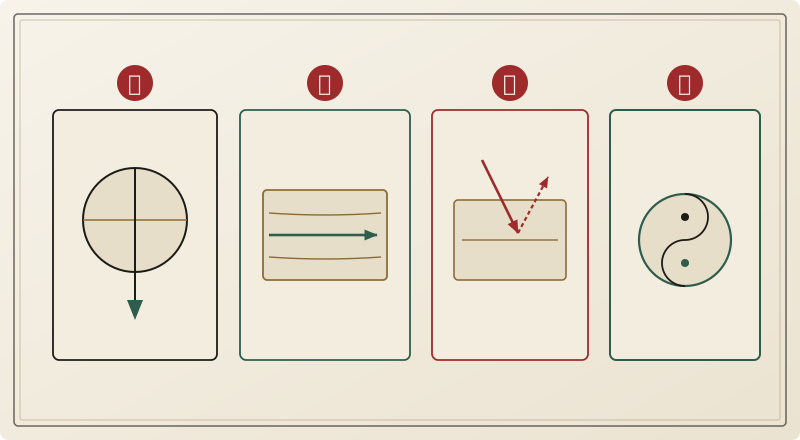
Classical Wudang diagram for Tao Te Ching Chapter 74 contrasting the Master Carpenter following the natural wood grain with the impatient usurper who hacks against the grain and injures their own hand
Figure 1 — Structural Parable of Chapter 74 (代大匠斲,希有不伤其手): ① Chang You Si Sha Zhe (常有司杀者): the impartial celestial compass and seasonal plumb line of natural consequence; ② Da Jiang Zhuo (大匠斲): the Master Carpenter’s ink-line (Shengmo 绳墨) gliding effortlessly along the natural grain of the timber; ③ Dai Da Jiang Zhuo, Shang Qi Shou (代大匠斲,伤其手): the impatient usurper hacking across the grain with brute force, causing the blade to rebound and injure the hand; ④ Wudang cultivation synthesis: aligning personal intention with natural timing rather than forcing outcomes.

2. The Master Carpenter vs. The Impatient Usurper in Wudang Cultivation

In Wudang internal alchemy (Neidan), Qigong, and Taijiquan, who is the "Master Carpenter" (Da Jiang), and who is the "usurper" (Dai Zhuo Zhe)?

DimensionThe Master Carpenter (Da Jiang — Natural Law & Ziran)The Usurper (Dai Da Jiang Zhuo — Forced Ego Contrivance)
In Neigong & Breath CultivationLetting the diaphragm and lower Dantian settle naturally, breath by breath, over timeForcibly holding the breath, straining the perineum, or trying to "push" Qi through meridians by sheer willpower
In Taijiquan & Tuishou (Push Hands)Listening to force (Tingjin) and letting the opponent's own overcommitment uproot themMuscling against an opponent's strong line of force or wrenching wrists/shoulders against joint mechanics
OutcomeEffortless completion along the natural grain (Cook Ding's blade stays as if newly whetted)"Injuring one's own hand" (Shang Qi Shou)—strained tendons, agitated heart-fire, and broken root

3. Wudang Martial & Somatic Application: Never Hack Against the Grain

When practicing Wudang Taijiquan—for example, in Deflect, Parry, and Punch (Banlanchui) and Apparent Close-Up (Rufeng Sibi)—Chapter 74 is a direct biomechanical safeguard:

  • Letting Overextension Defeat Itself (Chang You Si Sha Zhe): In Tuishou, when a partner pushes with excessive greed, you do not need to collide with them head-on. Gravity and their own overextension are the "Great Arbiter"; by yielding along a spiral arc (Ban and Lan or Rufeng Sibi), their own momentum carries them into emptiness.
  • Protecting the Hands, Wrists, and Elbows (Bu Shang Qi Shou): Whenever a student tries to issue a punch (Chui) or a joint lock using isolated arm and wrist muscle rather than ground reaction force from the legs and waist, they are "hewing in place of the Master Carpenter"—and the first thing that hurts is their own wrist and elbow (which we care for through Quchi and Shousanli Daoyin).

Practice Reflection for Students

Notice today where you are "snatching the axe" in your practice or daily life—trying to force a tight muscle to open by yanking on it, or forcing a breath to be longer than your lungs comfortably want. Step back, return the axe to the Master Carpenter of patient rhythm, and follow the grain.

Seeker’s Q&A · Frequently Asked Questions

What does “hewing wood in place of the Master Carpenter” mean in Tao Te Ching Chapter 74?

Chapter 74 says there is always a Great Arbiter (si sha zhe 司杀者) who brings things to their end; Heshang Gong and Su Zhe read it as the impartial order of Heaven and the four seasons. To take over that role by force is like an untrained bystander seizing the Master Carpenter’s axe: whoever does so “rarely fails to injure their own hands”. In Wudang practice the Master Carpenter is natural rhythm, and the usurper is the will that holds the breath, pushes Qi or muscles against a partner’s force. Follow the grain instead of hacking across it, and the wrists, elbows and breath are spared.

How can I apply this in practice?

Notice today where you are "snatching the axe" in your practice or daily life—trying to force a tight muscle to open by yanking on it, or forcing a breath to be longer than your lungs comfortably want. Step back, return the axe to the Master Carpenter of patient rhythm, and follow the grain.
